
Salt might seem like a simple kitchen ingredient, but it’s been the center of an all-out war in the culinary world. From Himalayan pink salt to kosher and sea salts, chefs have strong opinions on which salt reigns supreme. The debate isn’t just about flavor. It’s about health benefits, sustainability, cost, and even the status symbol associated with certain types of salt. As these chefs battle for their preferred seasoning, one thing is clear: Salt has far more influence on the plate than most people realize.
Flavor Differences
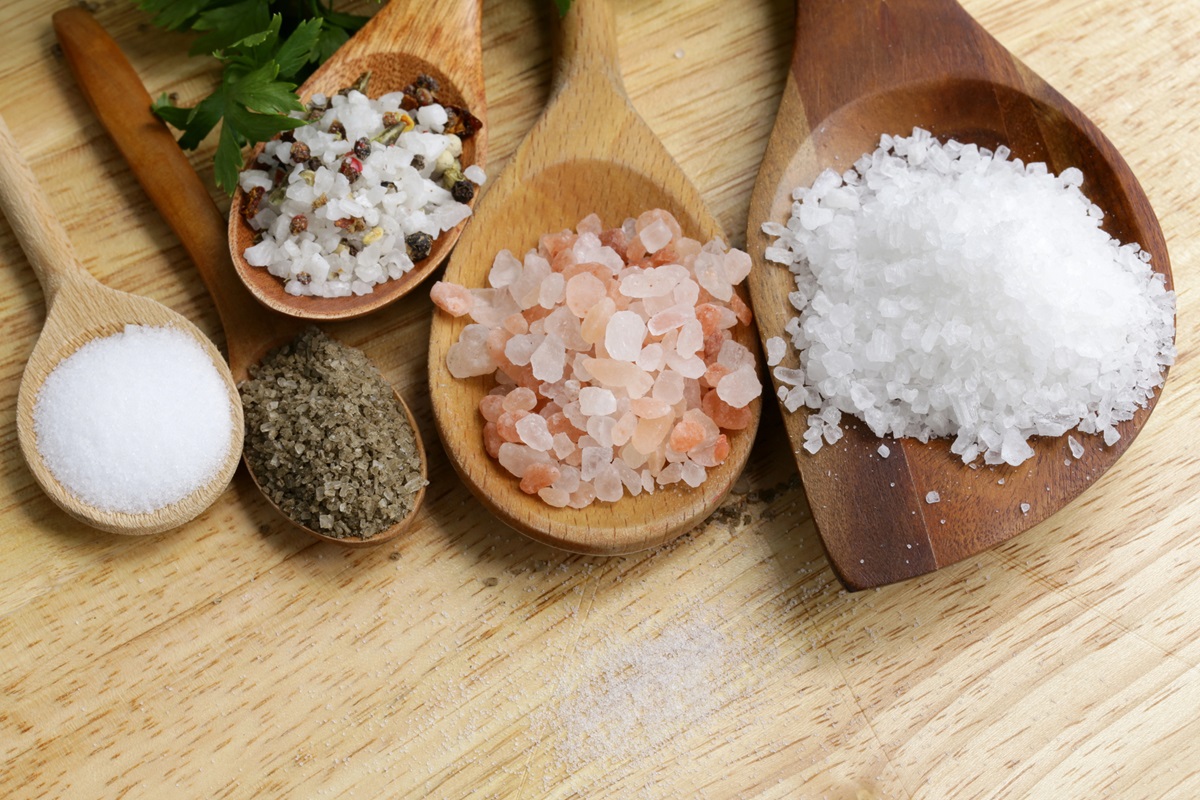
Each type of salt brings its own unique flavor, and chefs swear by the specific one that elevates their dishes. For some, the clean taste of sea salt is unbeatable, while others believe that Himalayan pink salt’s mineral complexity offers a more refined profile. The choice can change the entire dynamic of a dish.
Health Claims
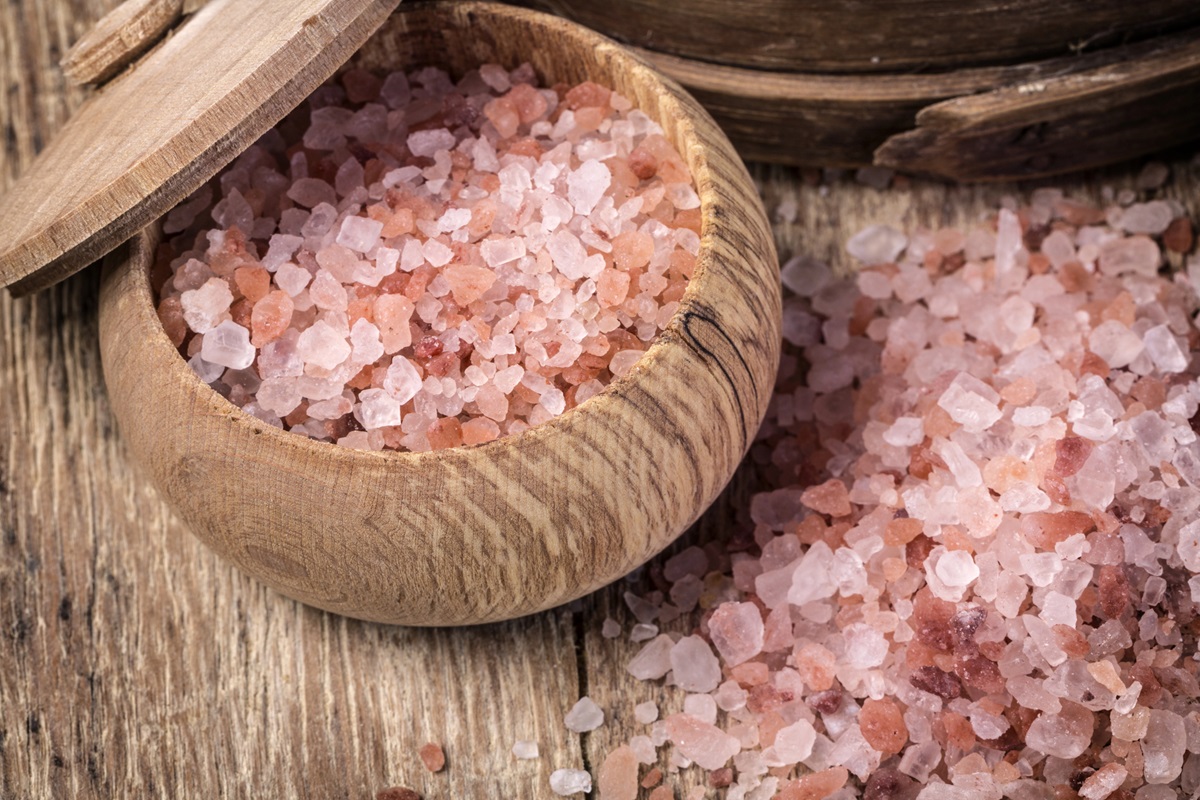
Himalayan pink salt is often touted for its health benefits, with claims about its rich mineral content. While some chefs argue that it provides essential nutrients, others believe the claims are exaggerated. This debate over health benefits fuels much of the tension in the ongoing salt war.
Sustainability Concerns

Chefs who prioritize sustainability are in disagreement about which salts are harvested responsibly. Some prefer eco-friendly sea salts, while others use salts that may not be as environmentally friendly. The environmental impact of salt production has become a major point of contention among chefs.
Texture Matters
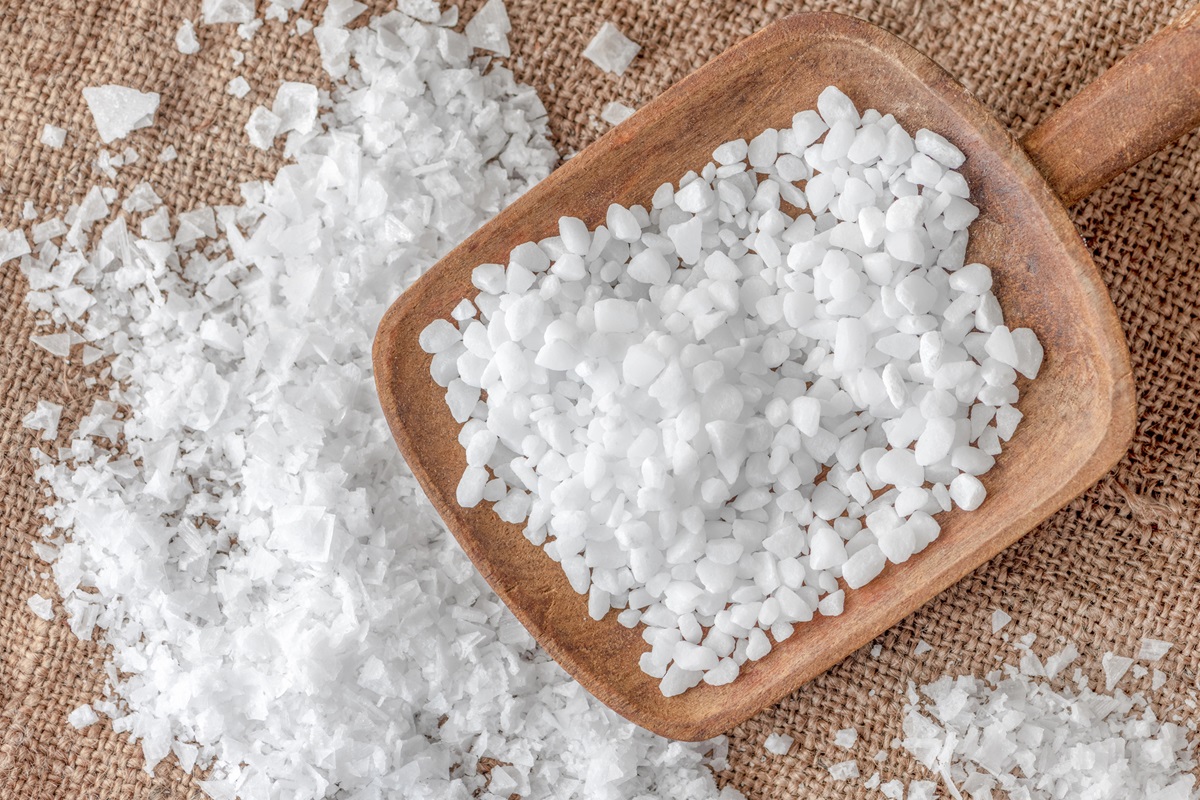
Salt isn’t just about taste; texture plays a crucial role too. Chefs argue over which salt texture provides the best crunch and flavor balance. Flaky salts like Maldon are prized for their delicate, crispy texture, while others prefer the heavier, more substantial feel of coarse sea salt.
Related Post: 12 Spicy Eggs Benedict Dishes That Will Take Over Brunch Menus This Spring
Tradition vs. Trend
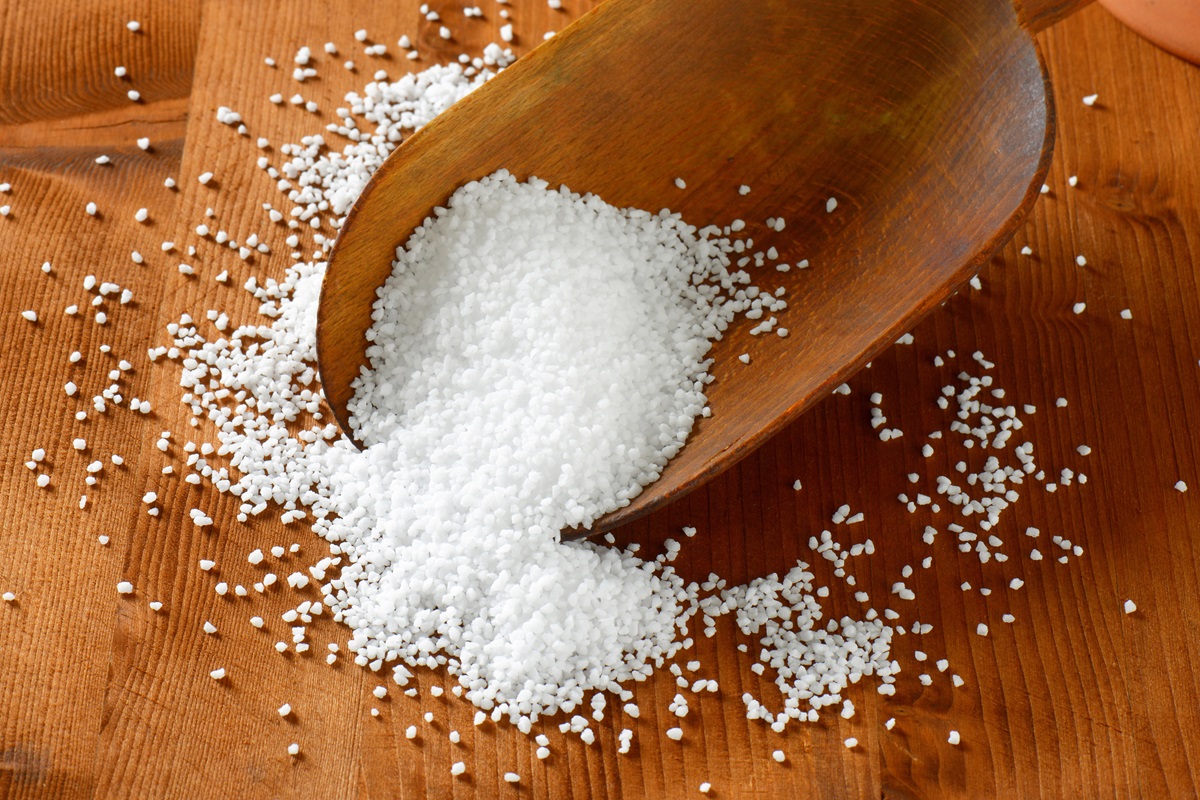
Chefs with traditional training tend to favor kosher salt, which has been a kitchen staple for centuries. However, modern, trend-driven chefs are embracing unique salts like smoked salts or fleur de sel to add a contemporary twist. This clash of old-school tradition versus modern flair continues to drive the salt wars.
Related Post: 12 Hacks That Will Transform Your Frozen Pot Pies Into Restaurant Worthy Meals
Luxury and Status
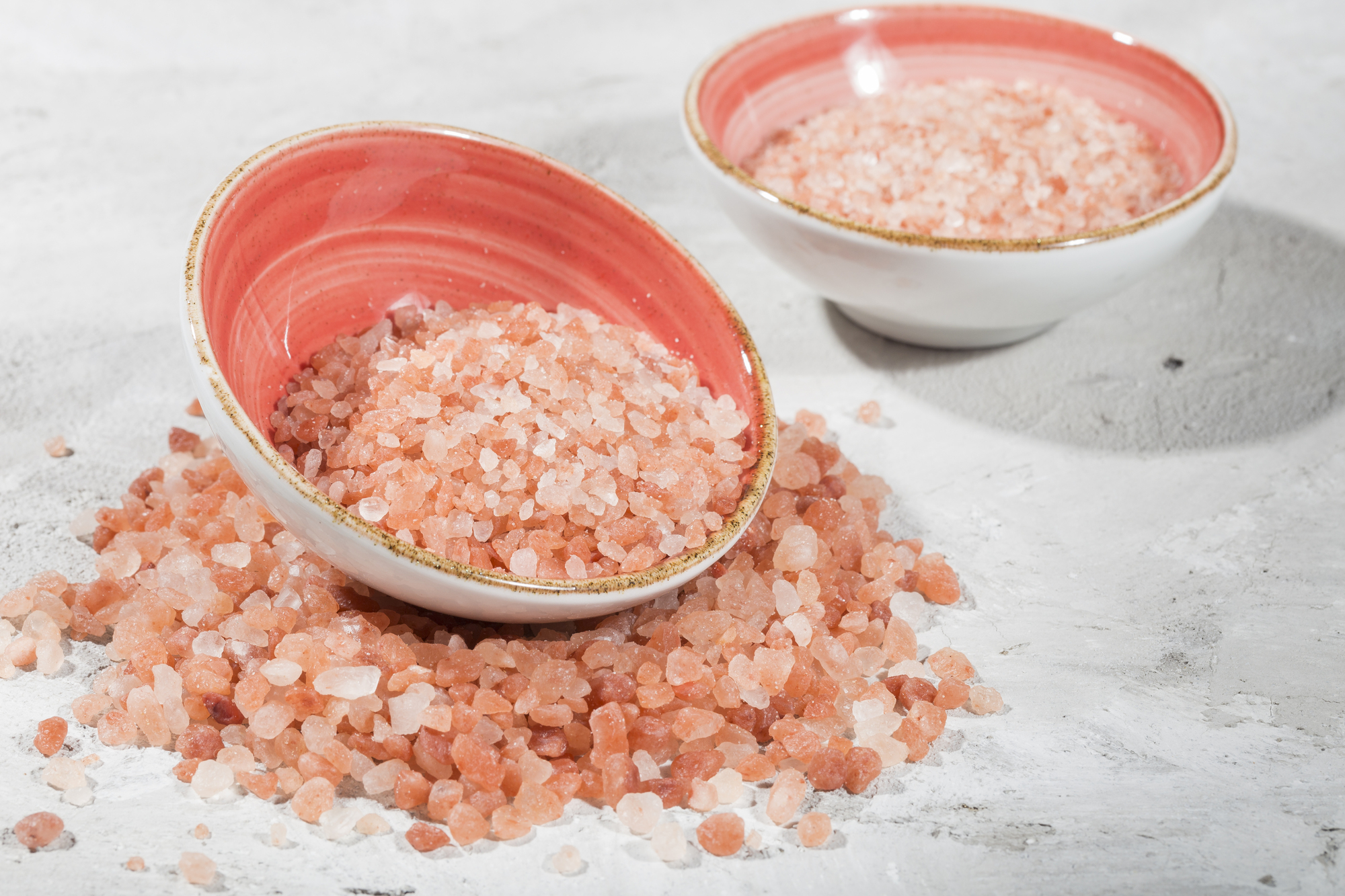
Some salts, like Himalayan pink salt, have become a luxury ingredient, frequently seen in high-end restaurants. Chefs who embrace this trend believe it adds value and sophistication to dishes. On the other hand, some chefs argue that this is a marketing gimmick and unnecessary for a great meal.
Related Post: 13 Crispy Fried Fish And Veggie Chip Dishes You Will Crave All Spring
Cost Issues
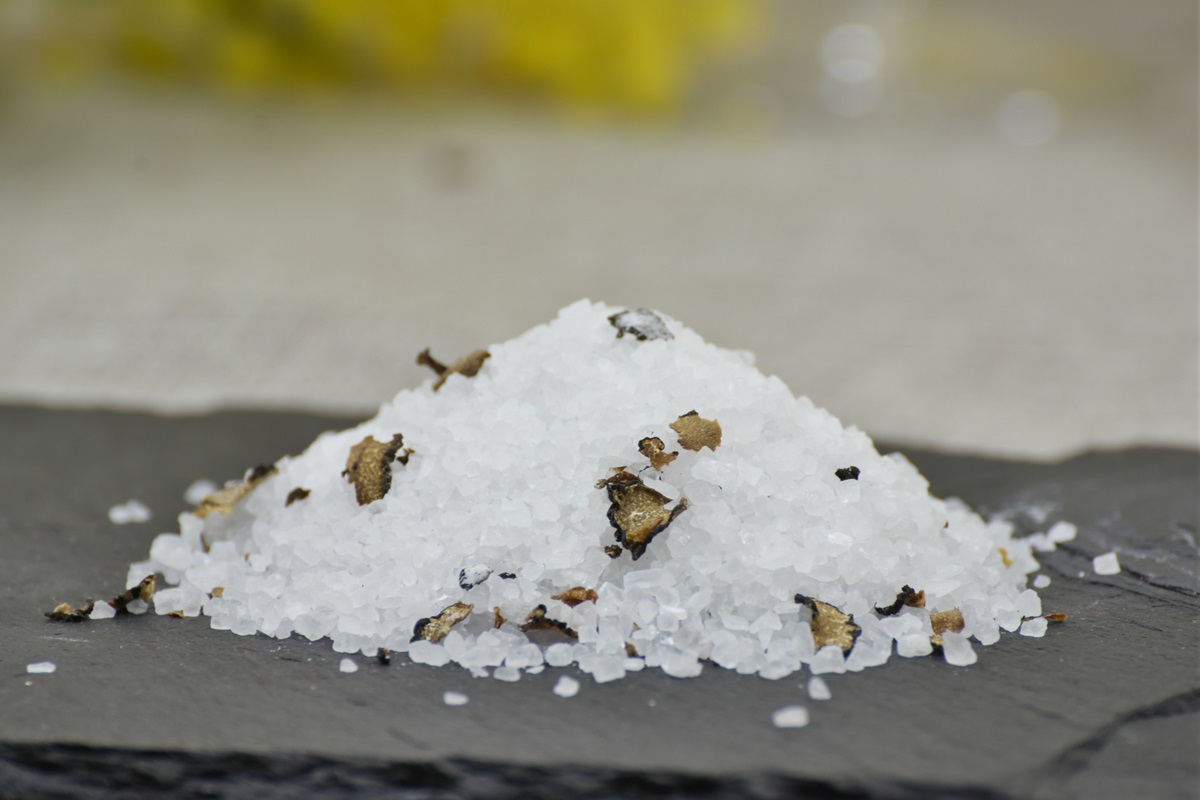
The price of certain salts can be a hot topic. Chefs argue whether the high cost of specialty salts, such as truffle salt or Himalayan salt, is justified. Some feel the premium price tag doesn’t always translate to better flavor, making them skeptical about using these luxury salts in their kitchens.
Related Post: 12 Religious Potluck Dishes Grandmas Swore By And Nearly Took With Them
Pre-Packaged Salt
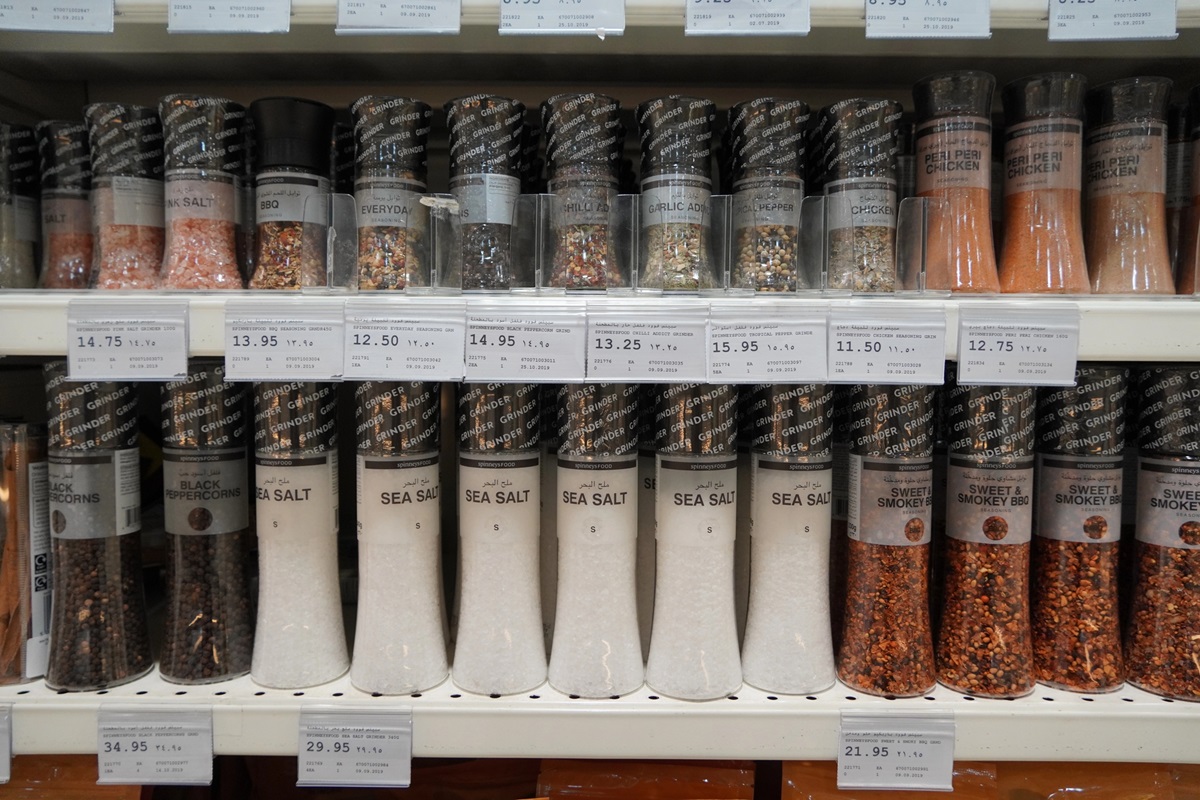
Many chefs criticize pre-packaged table salt, which they see as a shortcut to seasoning and lacking in quality. They argue that fresh, artisanal salts have a more complex and authentic flavor that can’t be replaced by commercialized options found in every household.
Related Post: 11 Flavorful Pastas That Taste Like A Gourmet Meal But Take Just 15 Minutes
Social Media Influence

Social media’s growing obsession with food trends has put salt in the spotlight. Influencers and chefs alike are jumping on the latest salt trends, which some feel detracts from the importance of using quality ingredients. This has sparked a backlash among chefs who believe trends should never overshadow culinary integrity.
Related Post: 12 Tuna Pasta Dishes That Made Me Break Up With Delivery For Good
Regional Preferences

The salt war also has a regional component, with chefs preferring the salts local to their area. Coastal chefs may favor sea salt for its connection to the sea, while those in other areas might lean toward Himalayan salt for its unique mineral profile. These regional preferences contribute to the diversity of opinions surrounding salt.
Related Post: 12 Easter Casseroles That Will Have Everyone Asking For The Recipe
The salt war is much more than a culinary argument. It’s a reflection of larger issues like sustainability, health, and food culture. While some chefs are drawn to trendy salts and their supposed health benefits, others stick to the classics for their tried-and-true flavors. Regardless of the side you’re on, one thing is certain: Salt is an essential part of every dish, and its place in the kitchen will continue to stir up debates for years to come.
Disclaimer: This list is solely the author’s opinion based on research and publicly available information.
Ditch the Salt, 12 Flavorful Ways to Spice Up Your Meals

If you want to reduce sodium without sacrificing flavor, there are plenty of ways to spice up your meals. Instead of salt, use herbs, spices, and fresh ingredients like garlic, onions, and citrus to enhance flavor. Simple swaps can help you enjoy heart-healthy meals that are vibrant and delicious, all while keeping your sodium intake in check.
Read it here: Ditch the Salt, 12 Flavorful Ways to Spice Up Your Meals
13 Chef Approved Tricks That Turn Vegetable Fritters Into Crispy Perfection

Vegetable fritters sound simple: grated veggies, a little binder, pan-fry, done. But getting them crispy outside while staying tender inside? That’s where the real magic happens. These chef-approved tips guarantee golden perfection every time, whether you’re working with zucchini, carrots, sweet potatoes, or anything else in your crisper drawer.
Read it here: 13 Chef Approved Tricks That Turn Vegetable Fritters Into Crispy Perfection
Boomers Are Still Salty About These 15 Food Trends Millennials Killed

Ah, the generational food feud! It’s no secret that Boomers and Millennials often find themselves at odds, especially regarding culinary preferences. From the decline of American cheese to the rise of avocado toast, Millennials have certainly shaken up the food scene, much to the chagrin of some Boomers. While Boomers reminisce about the good old days of mayonnaise-laden salads and canned tuna, Millennials are busy embracing trendy cheeses and plant-based alternatives.
Read it here: Boomers Are Still Salty About These 15 Food Trends Millennials Killed
You’ll love these related posts:
- 12 Magic Mushroom Recipes That Will Change How You Cook Forever
- 13 Plating Techniques That Will Make Your Meals Look Gourmet
- 12 Shocking Truths About Balancing Meat And Plants In Your Diet
- 13 Secret Food Combinations That Will Make You Crave More
- 13 Edible Flowers That Will Transform Your Meals Into Works Of Art