
Across cultures and continents, food is more than sustenance, it is a powerful language of respect and belonging. Each culture adds meaning to meals through gestures, rituals, and unspoken rules that shape how people come together. Whether seated on mats or chairs, whether eating with chopsticks or hands, etiquette reveals values beyond taste. These customs are not barriers but bridges that allow us to connect through understanding and shared experience. Around the table, the way we eat often says more than the food itself ever could.
Greeting Before Eating

Many cultures begin meals with short phrases that honor the moment and thank the one who prepared the food. These greetings set a tone of gratitude and remind everyone that the meal is both a gift and a shared ritual. What may sound simple is deeply meaningful and helps build respect at the table.
Sharing From a Common Dish
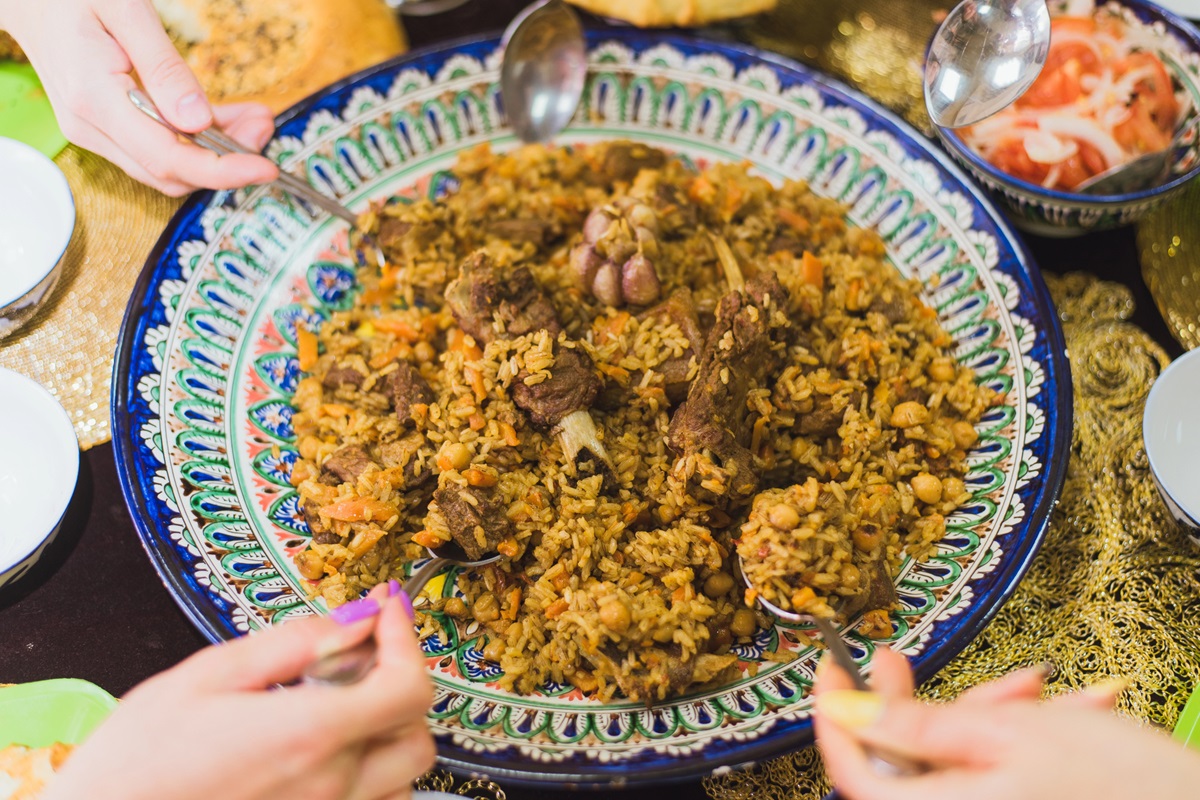
In some countries, it is customary to eat from one large plate as a symbol of unity, generosity, and trust. This closeness encourages conversation, eye contact, and a sense of community that strengthens bonds during the meal. The act of reaching together turns eating into a moment of mutual care and welcome.
Respect for Elders First
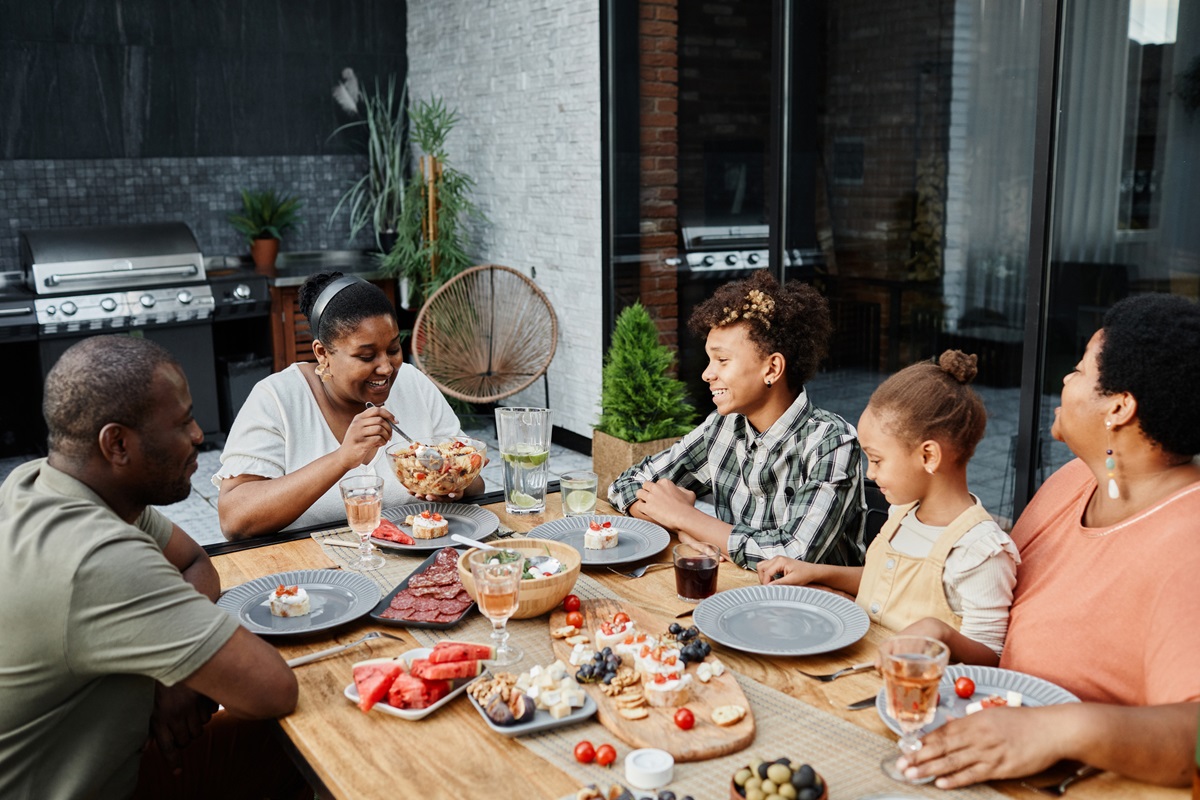
Traditions across Asia, Africa, and Latin America emphasize serving elders before anyone else as a form of reverence. It is a quiet way to show honor, acknowledge wisdom, and create order based on generational respect and value. These customs keep family ties strong and reinforce appreciation across generations and time.
Using Hands With Intention
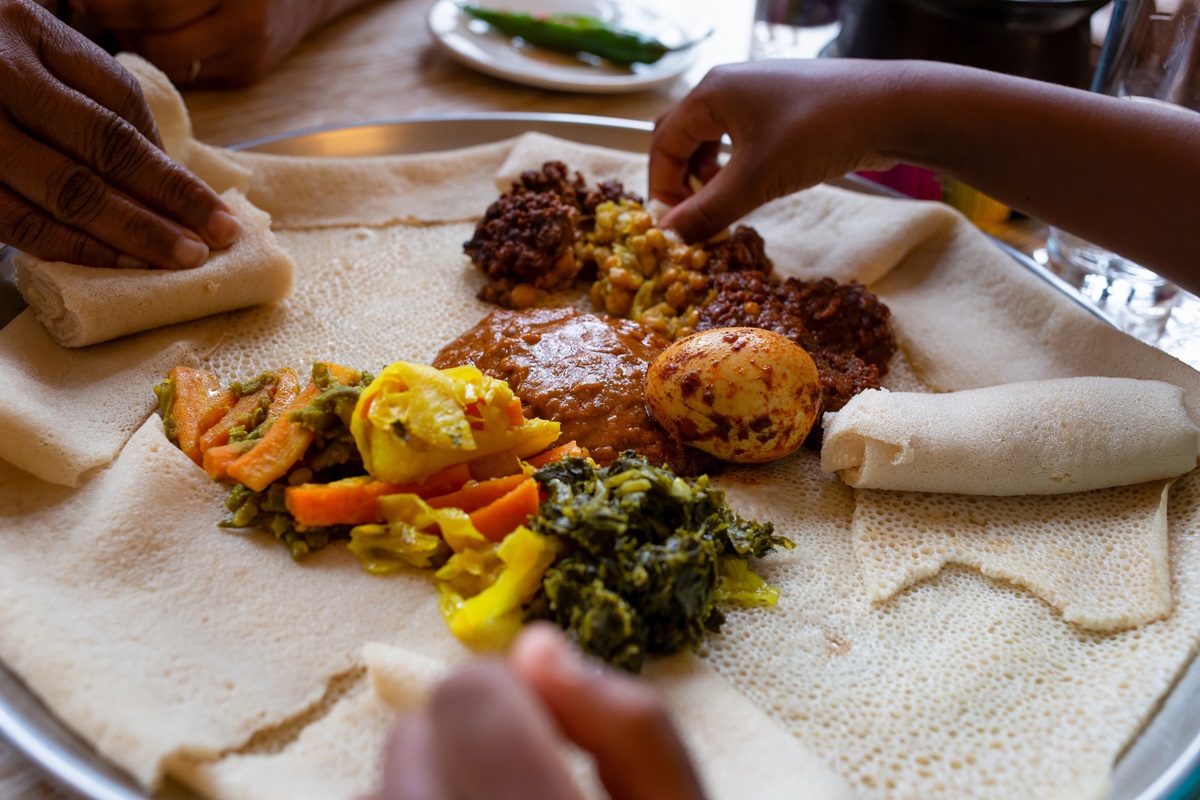
In parts of India, Africa, and the Middle East, eating with the right hand is both cultural and deeply respectful. The left hand is often reserved for other tasks, so using the right shows mindfulness and etiquette in action. This method of eating connects the diner to their food in a direct and personal way.
Related Post: 15 Mother’s Day Dishes Moms Will Brag About All Year
Refusing Seconds Politely

Guests in some cultures initially decline more food out of humility, while hosts insist as a sign of hospitality. This back and forth becomes a dance of respect where giving and receiving are both honored with care. It is not about appetite but about knowing your place within a web of kindness and pride.
Related Post: 15 Classic Dishes That Belong On Terry Pratchett’s Party Table
Silence as a Compliment
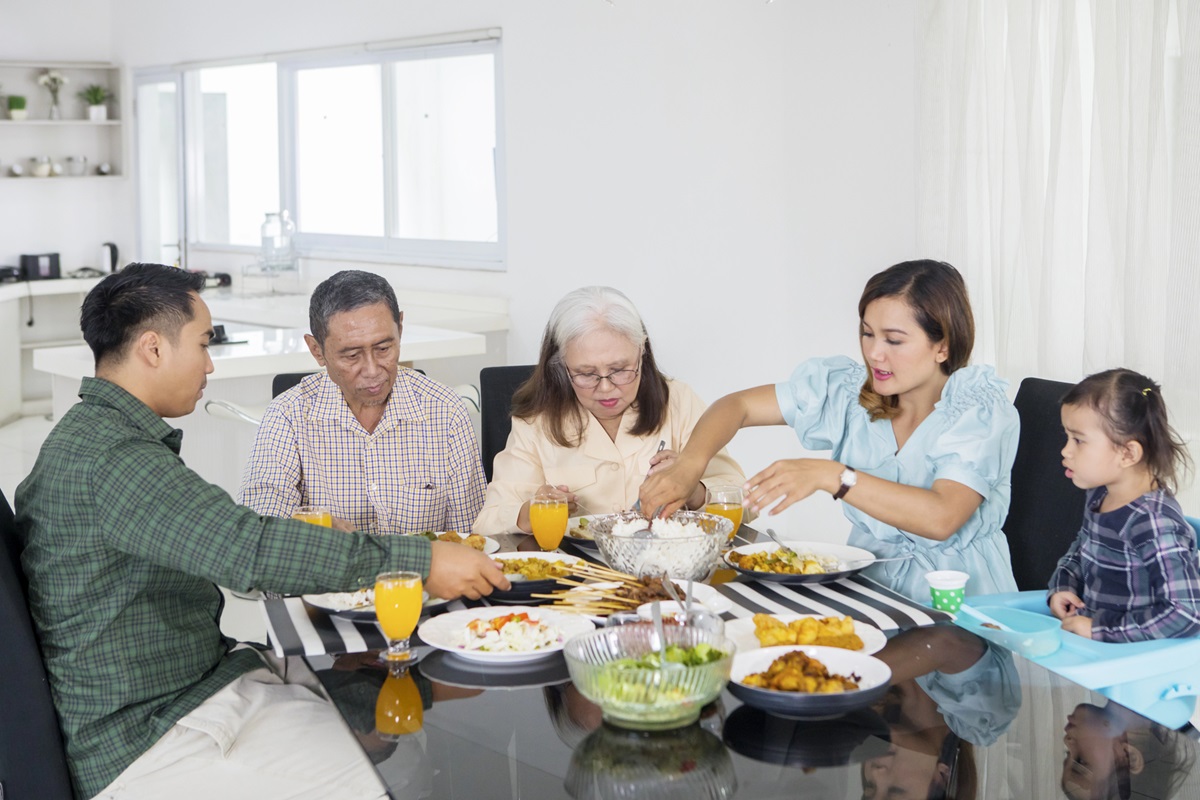
In places like Japan, silence during meals shows deep focus and appreciation for the chef’s work and technique. Speaking less is not rude but instead reflects attention to flavor, texture, and the moment being shared quietly. The food becomes the voice, and silence becomes a sign of respect and satisfaction.
Related Post: 10 Secrets To Making Old School Dinner Rolls So Soft They Practically Float
Pausing Before the First Bite
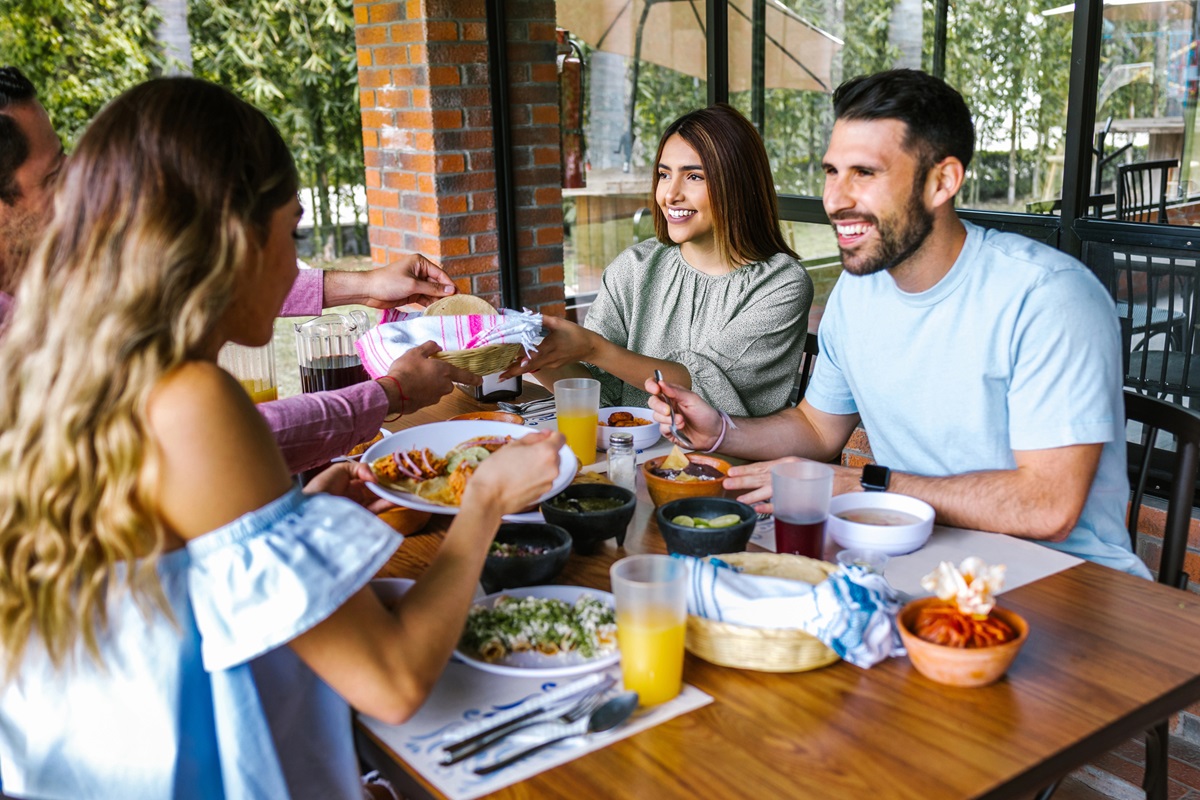
In European countries, it is often expected to wait until everyone is served before starting to eat the meal. This moment of pause is about equality, politeness, and group awareness that everyone belongs at the table. The meal begins not with the fork but with shared attention and unspoken respect.
Related Post: 10 Meat Freezing Hacks Butchers Wish You Already Knew
Cleaning Your Plate

In China and other countries, finishing your food is a way to show appreciation for the host’s time and effort. Leaving food can imply dislike or waste, while a clean plate is like a thank you expressed through action. Each bite affirms the value of the meal and the warmth behind its preparation.
Related Post: 10 Irresistible Waffles That Make Frozen Breakfast Feel Like a Mistake
Toasting with Purpose

Toasts in many cultures are more than a clink of glasses, they are blessings, memories, and shared hopes spoken aloud. They mark moments in time and remind everyone that food and drink connect people across space and story. A good toast honors the present and invites connection in a personal and joyful way.
Related Post: 13 Desserts You Can Totally Eat For Breakfast Without Regret
Giving Thanks After the Meal

From spoken words to quiet gestures, thanking the host is essential and often expected at the end of every meal. This custom shows recognition for the work, the welcome, and the shared experience that made the meal meaningful. When thanks are given sincerely, the meal continues to nourish long after it ends.
Related Post: 11 Secrets Italians Know About Perfect Pasta Alle Vongole
Food etiquette is one of the most elegant ways to build bridges across cultures while honoring heritage and tradition. Whether spoken or silent, every gesture at the table says something about the values we share as people. It reminds us that understanding begins with respect, and meals are a perfect place to start.
Disclaimer: This list is solely the author’s opinion based on research and publicly available information.
13 Old School Food Rules That Would Leave Gen Z Shook

Back in the day, food rules weren’t just guidelines they were a way of life. Whether passed down through generations or shaped by the times, these rules dictated everything from how meals were prepared to what was considered proper dining etiquette. While some of these traditions still hold value, many would leave Gen Z completely baffled. Here are 13 old-school food rules that might just shock the modern eater.
Read it here: 13 Old School Food Rules That Would Leave Gen Z Shook
12 Boomer Table Rules That Would Have Millennials Calling for Help

The dinner table once represented a place of strict etiquette, where certain behaviors were seen as essential to maintaining respect, formality, and tradition. For Baby Boomers, these table rules were non-negotiable, drilled into children from a young age. Fast forward to today, and Millennials are challenging, ignoring, or downright baffled by these old-school rules. With a much more laid-back, casual approach to dining, Millennials have reinvented the idea of what it means to eat together, prioritizing comfort over formality and focusing on connection rather than strict etiquette. Here are 12 Boomer table rules that would have Millennials scratching their heads or reaching for their phones.
Read it here: 12 Boomer Table Rules That Would Have Millennials Calling for Help
15 “American” Dishes That Actually Came from Other Countries

America has a knack for adopting dishes, tweaking them, and calling them its own. While many of these foods are now staples in the U.S., their origins lie far beyond their borders. Here’s a look at 15 beloved “American” dishes that came from somewhere else.
Read it here: 15 “American” Dishes That Actually Came from Other Countries
You’ll love these related posts:
- 14 Irresistible Sunday Dishes People Secretly Make Again On Monday
- 13 Vegan Meals That Will Make You Forget All About Junk Food
- 12 Flavor Packed Mexican Meals You’ll Regret Not Trying Sooner
- 11 Easter Appetizers That Will Completely Replace Deviled Eggs At Your Celebration
- 12 Tangy Greek Dressings That Are Healthier Than Store Brands