
Clean eating for beginners often starts with enthusiasm but can be clouded by myths and unproven advice. While the idea promotes fresh, whole foods, not every popular belief about eating healthy is true. Here are seven common mistakes, rooted in misconceptions and the science-backed ways to avoid them for a balanced, sustainable approach.
Cutting Out All Carbs
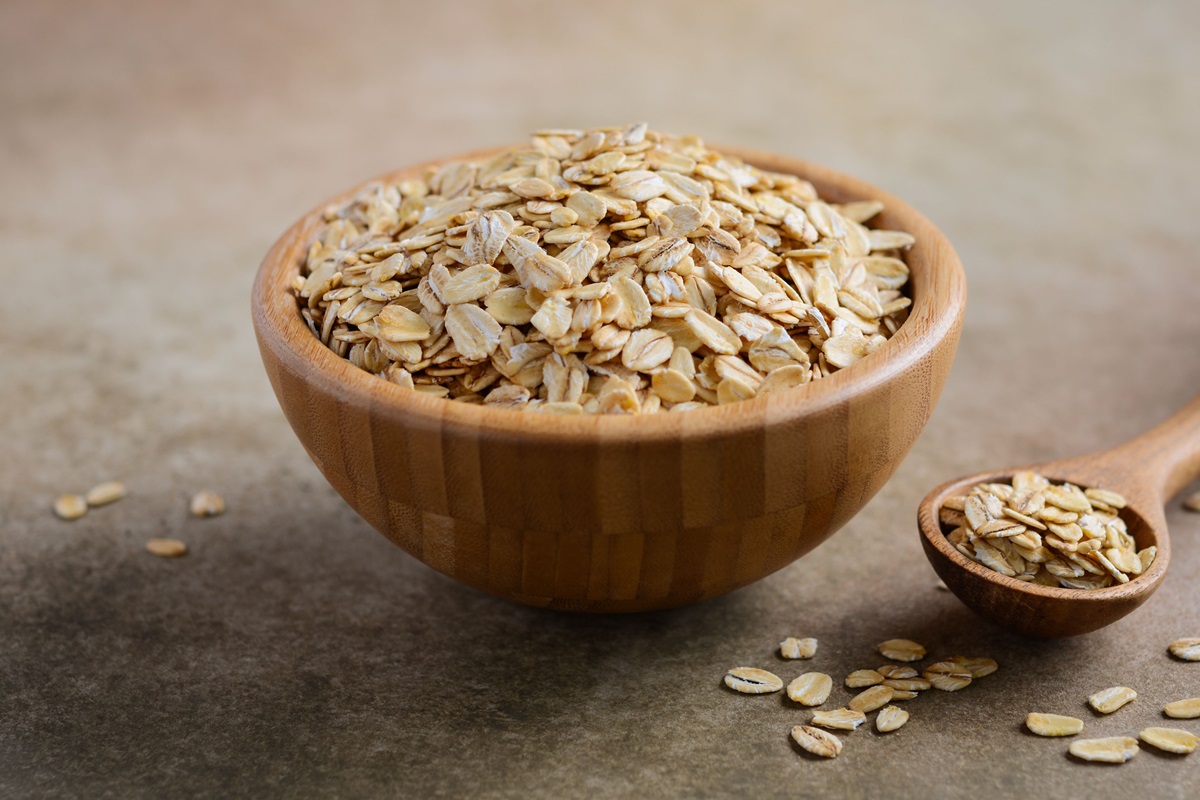
Many assume clean eating means avoiding carbs entirely, but whole grains like oats, quinoa, and brown rice are nutrient-rich. For clean eating for beginners, it’s important to distinguish refined carbs from healthy complex carbs, which provide fiber, vitamins, and long-lasting energy. Eliminating them unnecessarily can lead to nutrient gaps and reduced energy.
Overeating “Healthy” Snacks
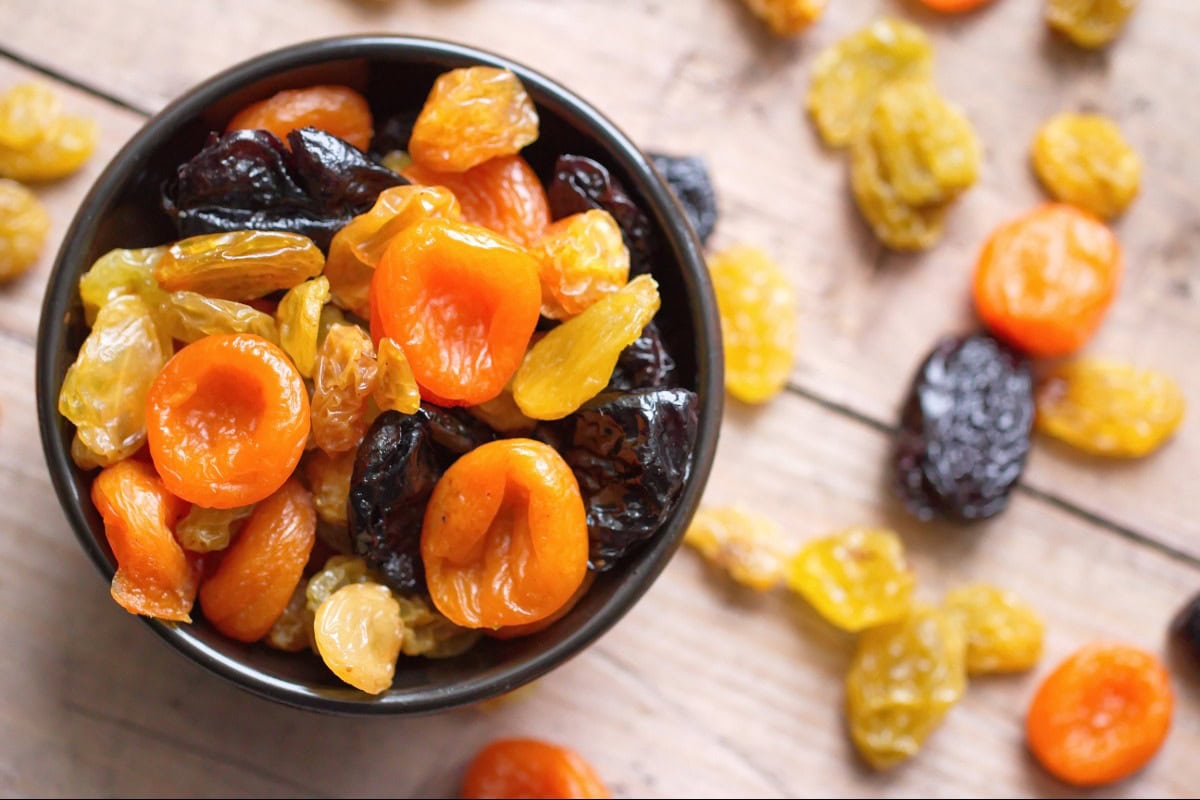
Some believe that if a snack is labeled organic or natural, it can be eaten without limits. Here’s the refined version with a smoother, more engaging flow: Even nutrient-rich snacks like nuts and dried fruit are calorie-dense, and those calories can add up faster than you realize. Clean eating encourages mindful portions, especially for beginners, to avoid hidden calorie overload that can stall weight management goals.
Juicing Instead of Eating Whole Fruits
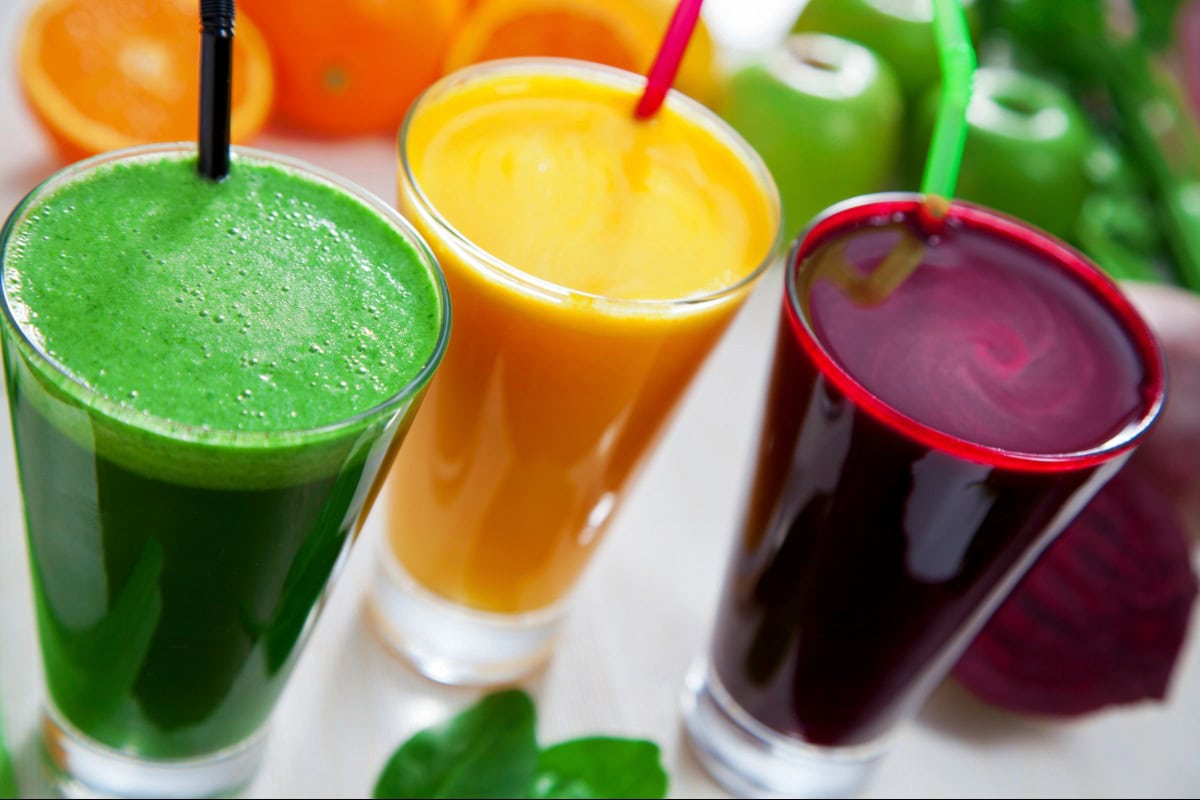
Juicing strips away most of the fiber in fruits, causing quicker blood sugar spikes. While it may seem like a clean eating shortcut, whole fruits deliver the fiber, vitamins, and antioxidants your body needs. Beginners should prioritize eating the fruit itself rather than relying solely on juices for nutrition.
Avoiding All Fats
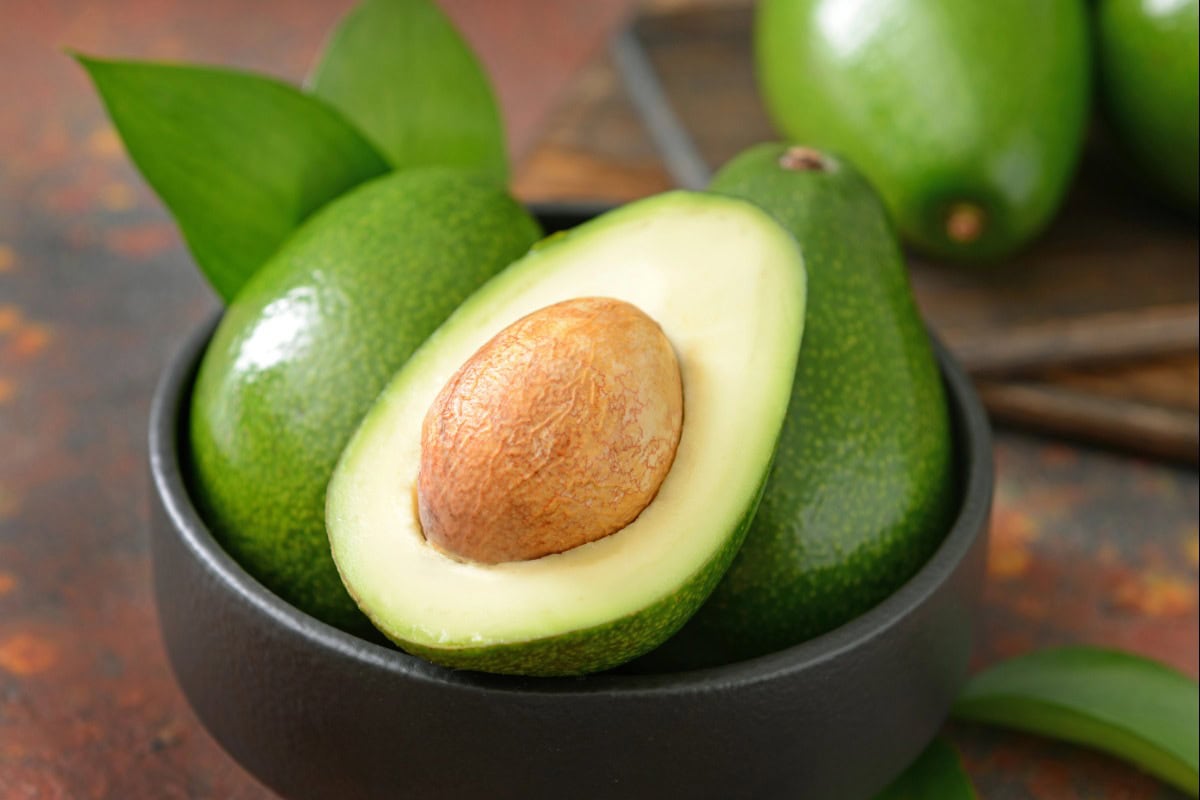
A common myth in clean eating for beginners is that fat is bad. In reality, healthy fats from avocados, olive oil, nuts, and fatty fish support brain function and hormone health. Cutting them out entirely can harm your body. The key is choosing unsaturated fats over processed trans fats for a balanced diet.
Ignoring Portion Sizes for “Clean” Foods

Even nutrient-rich foods like quinoa, sweet potatoes, or nut butters can contribute to weight gain if eaten in excess. For clean eating for beginners, portion control remains crucial. The quality of food matters, but so does the quantity. Balance is key to achieving long-term health benefits without overconsumption.
Believing All “Natural” Labels Are Healthy

Food companies often market products as “natural” to make them seem clean. However, “natural” is not a regulated term and may still include processed ingredients or added sugars. In clean eating, reading ingredient lists is essential, especially for beginners aiming to avoid misleading health claims on packaged foods.
Eliminating All Processed Foods
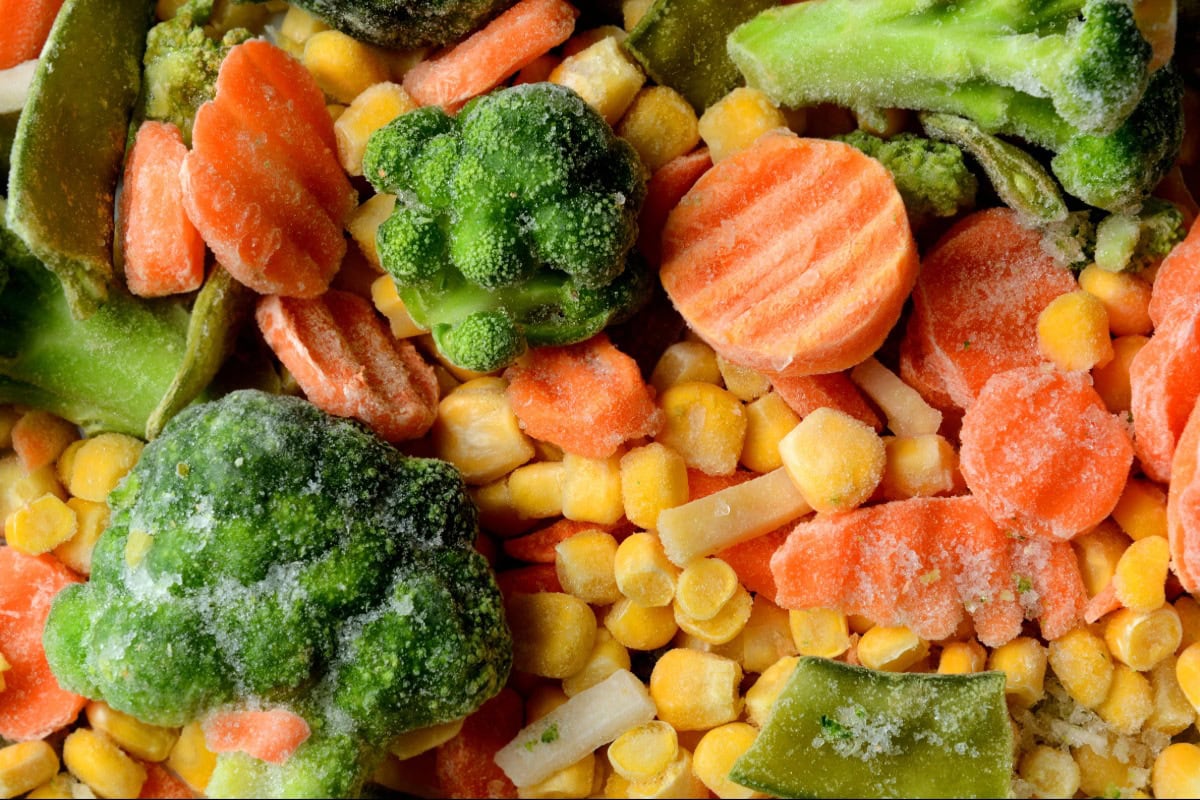
While highly processed foods should be minimized, not all processed foods are bad. Yogurt, frozen vegetables, and canned beans can be nutritious and convenient. For clean eating for beginners, the goal is to choose minimally processed options without unnecessary additives, rather than avoiding every processed item entirely.
Clean eating works best when based on science, not myths. For clean eating for beginners, avoiding these seven mistakes ensures a balanced, realistic, and enjoyable way to eat. Focus on nutrient-rich whole foods, mindful portions, and informed choices rather than rigid rules, making clean eating a sustainable lifestyle rather than a short-term trend.
Disclaimer: This list is solely the author’s opinion based on research and publicly available information.