
Children do not just learn what to eat from their families. They learn how to eat, when to eat, and why food matters. The home is the first and most powerful influence on a child’s relationship with food, shaping habits, preferences, and emotions that often last into adulthood. Whether through daily meals, casual comments, or modeled behavior, parents and caregivers set the tone for how children view nourishment and mealtime. Even small choices around the table can have a lasting effect on health, confidence, and food literacy.
Mealtime Routines Build Stability

Regular family meals provide structure, making children feel secure and grounded in their eating habits. Predictable meal times help regulate appetite and reduce impulsive snacking. A steady rhythm around food encourages mindfulness and emotional comfort with eating.
Parental Modeling Sets the Standard

Kids imitate what they see, so parents who enjoy a variety of healthy foods teach by example. If adults skip meals or talk negatively about food or body image, children absorb those patterns too. Positive modeling lays a foundation for balanced eating without fear or shame.
Food Language Shapes Body Image
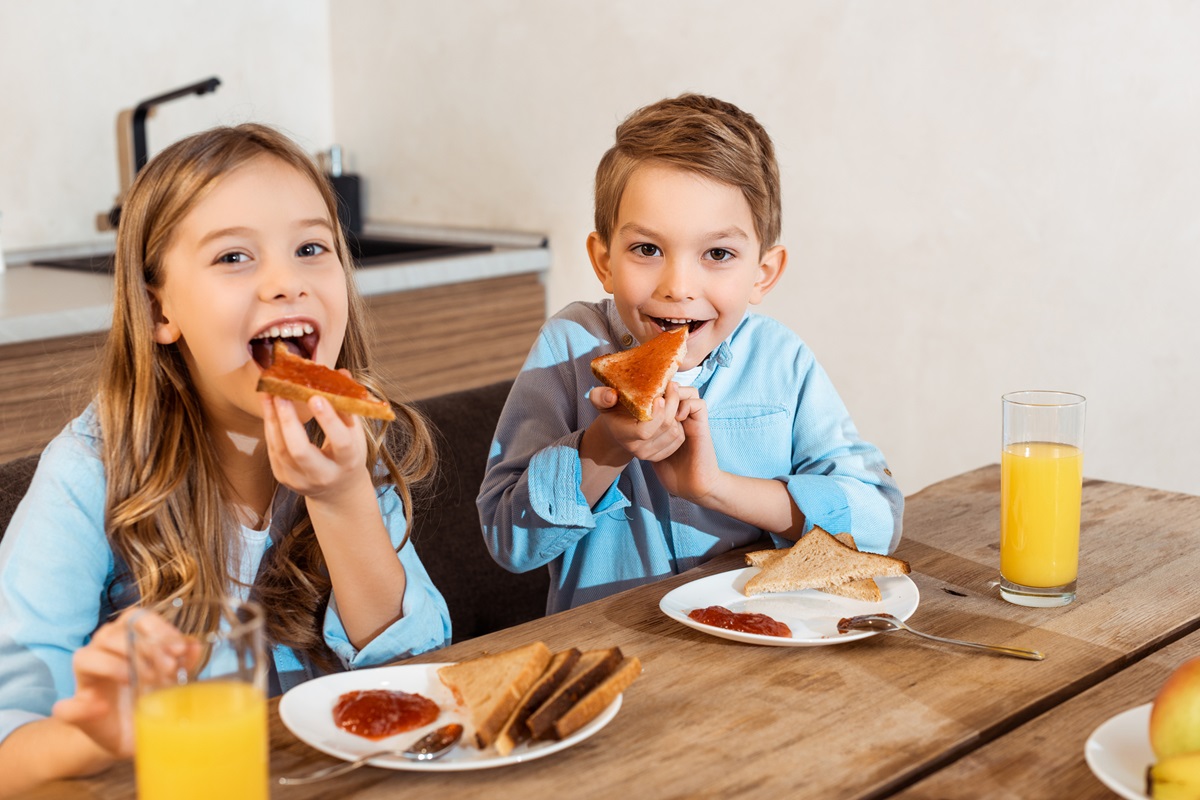
How families talk about food affects how children view their bodies and self-worth. Using words like good or bad can create guilt or anxiety around eating. Supportive, neutral language encourages healthier attitudes and emotional freedom at the table, fostering a more positive relationship with food.
Involvement Encourages Ownership
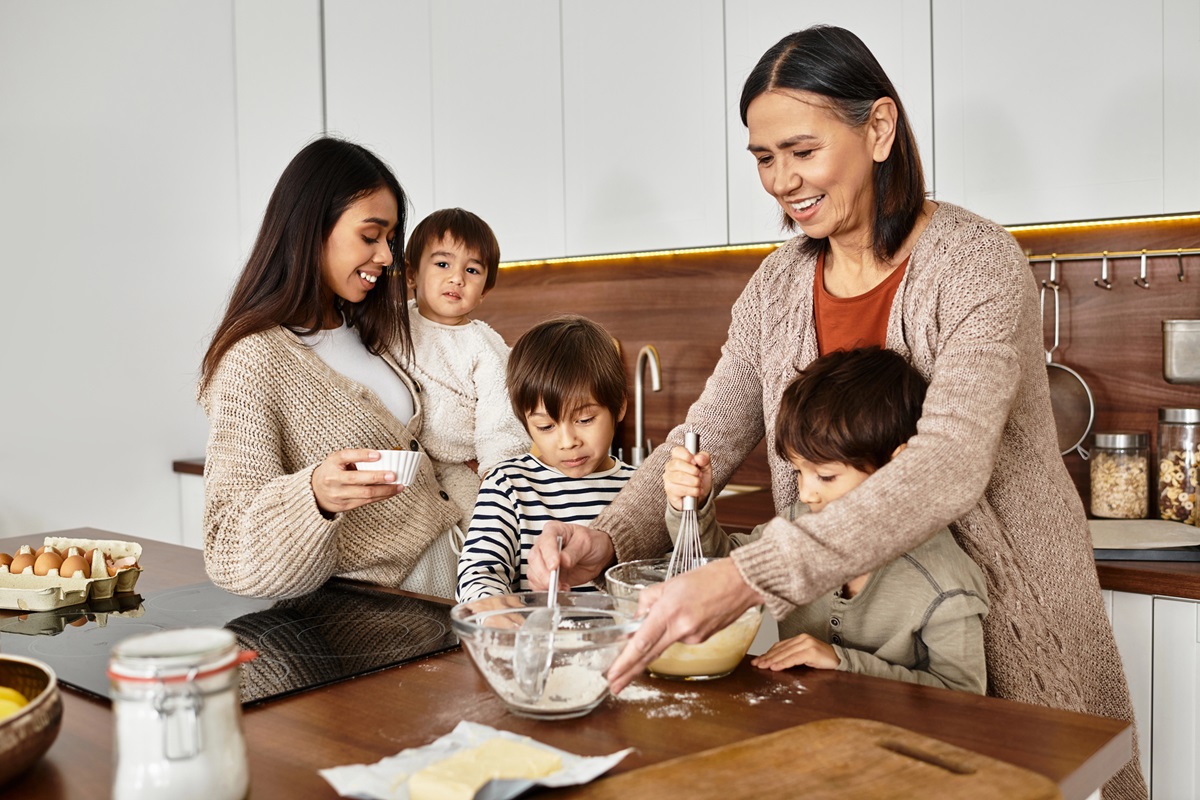
Letting kids help shop, cook, or plan meals gives them a sense of control and pride in what they eat. Hands-on experience fosters curiosity and builds skills that translate into better food choices. Engagement turns meals into something they look forward to, not resist.
Related Post: 15 Old School Farmers Market Finds We Wish Were Still Around
Emotional Atmosphere Affects Appetite

Tense meals filled with arguments or stress can suppress appetite or encourage emotional eating. Calm, pleasant environments support healthy digestion and relaxed eating. Creating a positive mood helps children associate food with safety and connection.
Related Post: 11 Signs The World Is Moving Away From Meat And What It Means For Your Health
Restriction Can Backfire

Overly strict rules around food may lead to obsession, secret eating, or rebellion. Teaching moderation and balance is more effective than banning certain items completely. This approach encourages trust, autonomy, and a sustainable relationship with food over time.
Related Post: 14 Reasons California Pizza Kitchen Still Feels Like A Slice Of Nostalgia After 40 Years
Celebration Reinforces Food’s Role

Family traditions that involve food help children understand its cultural and emotional significance. Celebrating holidays, birthdays, or simple moments with meals deepens appreciation for both flavor and family. It shows that food is more than fuel and can bring a connection.
Related Post: 11 Secret Drinks That Will Revolutionize Your Hydration Routine
Exposure Expands Taste
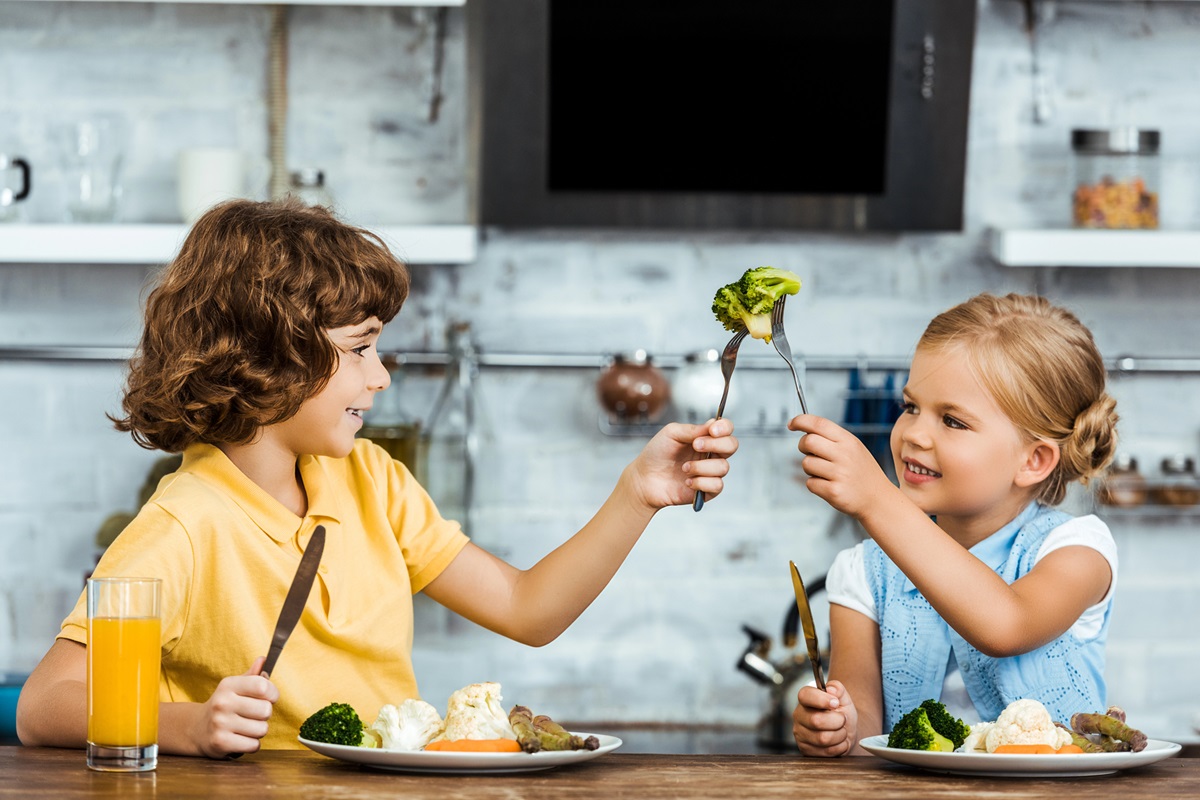
Repeated exposure to different foods without pressure increases acceptance over time. Serving a variety of colors, textures, and cuisines encourages adventurous eating. Patience and consistency are essential for raising curious, confident, and open-minded eaters.
Related Post: 13 Snacks Your Grandparents Loved That Are Making A Comeback
Conversation Encourages Awareness

Talking about where food comes from, how it is grown, or why it nourishes the body builds food literacy. Kids who understand the value of food are more likely to make informed choices. These conversations deepen respect for health and the environment.
Related Post: 13 Edible Flowers That Will Transform Your Meals Into Works Of Art
Support Builds Confidence

Children thrive when their food choices are met with encouragement, not judgment. Creating space for preferences while gently guiding them toward balance fosters lifelong self-trust. Supportive family dynamics grow confident eaters who feel empowered rather than controlled.
Related Post: 15 Old School Snacks That Would Confuse Gen Z
The family table is where lifelong eating habits begin, but it is also where children learn about joy, care, and self-respect. With a supportive environment, positive role models, and meaningful mealtime moments, families can shape not just healthy eaters but healthy humans. Every bite shared at home builds a deeper foundation for wellness and connection.
Disclaimer: This list is solely the author’s opinion based on research and publicly available information.
13 Old School Food Rules That Would Leave Gen Z Shook

Back in the day, food rules weren’t just guidelines, they were a way of life. Whether passed down through generations or shaped by the times, these rules dictated everything from how meals were prepared to what was considered proper dining etiquette. While some of these traditions still hold value, many would leave Gen Z completely baffled. Here are 13 old-school food rules that might just shock the modern eater.
Read it here: 13 Old School Food Rules That Would Leave Gen Z Shook
12 Ways Families Managed Dinner Chaos Before Meal Kits Made It Easy

Before meal kits promised perfectly portioned ingredients and stress-free cooking, families had to get creative to put dinner on the table. From batch cooking to last-minute pantry meals, every household had its survival strategy. It wasn’t always glamorous, but somehow, dinner got made, sometimes with a little improvisation and a lot of teamwork.
Read it here: 12 Ways Families Managed Dinner Chaos Before Meal Kits Made It Easy
12 Boomer Table Rules That Would Have Millennials Calling For Help

The dinner table once represented a place of strict etiquette, where certain behaviors were seen as essential to maintaining respect, formality, and tradition. For Baby Boomers, these table rules were non-negotiable, drilled into children from a young age. Fast forward to today, and Millennials are challenging, ignoring, or downright baffled by these old-school rules. With a much more laid-back, casual approach to dining, Millennials have reinvented the idea of what it means to eat together, prioritizing comfort over formality and focusing on connection rather than strict etiquette. Here are 12 Boomer table rules that would have Millennials scratching their heads or reaching for their phones.
Read it here: 12 Boomer Table Rules That Would Have Millennials Calling for Help
You’ll love these related posts:
- Eat These 12 Chicken Dinners Once And You’ll Be Hooked For Life
- 10 Foolproof Ways To Cook Pork Roast With The Perfect Crispy Crust
- 13 Easter Snacks So Irresistible You’ll Forget About Chocolate
- 11 Lazy Baker’s Hacks For Making Perfect Peanut Butter Cookies
- 11 Eggplant Cooking Hacks That Will Make You Forget You Ever Hated It