
Genetically Modified Organisms (GMOs) are a hotly debated topic in the food industry. While many people believe GMOs are safe, the truth is more complex. From their effects on health to environmental concerns, GMOs are reshaping the food we buy in ways that may surprise you. As consumers become more aware of the implications, some could decide to make drastic changes to their grocery shopping habits. Here are ten disturbing GMO realities that might change how you approach your next shopping trip forever.
GMOs Can Impact Your Health

While most studies claim GMOs are safe, there are growing concerns about long-term effects. Research links some GMOs to increased allergens, antibiotic resistance, and possible links to cancer. These unknowns are forcing many consumers to reconsider what they eat and how it affects their health.
GMOs Are Everywhere in Processed Foods

Many processed foods contain GMO ingredients like corn syrup, soy, and canola oil. Since these ingredients are widely used in everyday snacks, sauces, and ready meals, avoiding GMOs in the supermarket can be challenging. Learning to read labels carefully is key to understanding what you are consuming.
GMOs May Affect Biodiversity
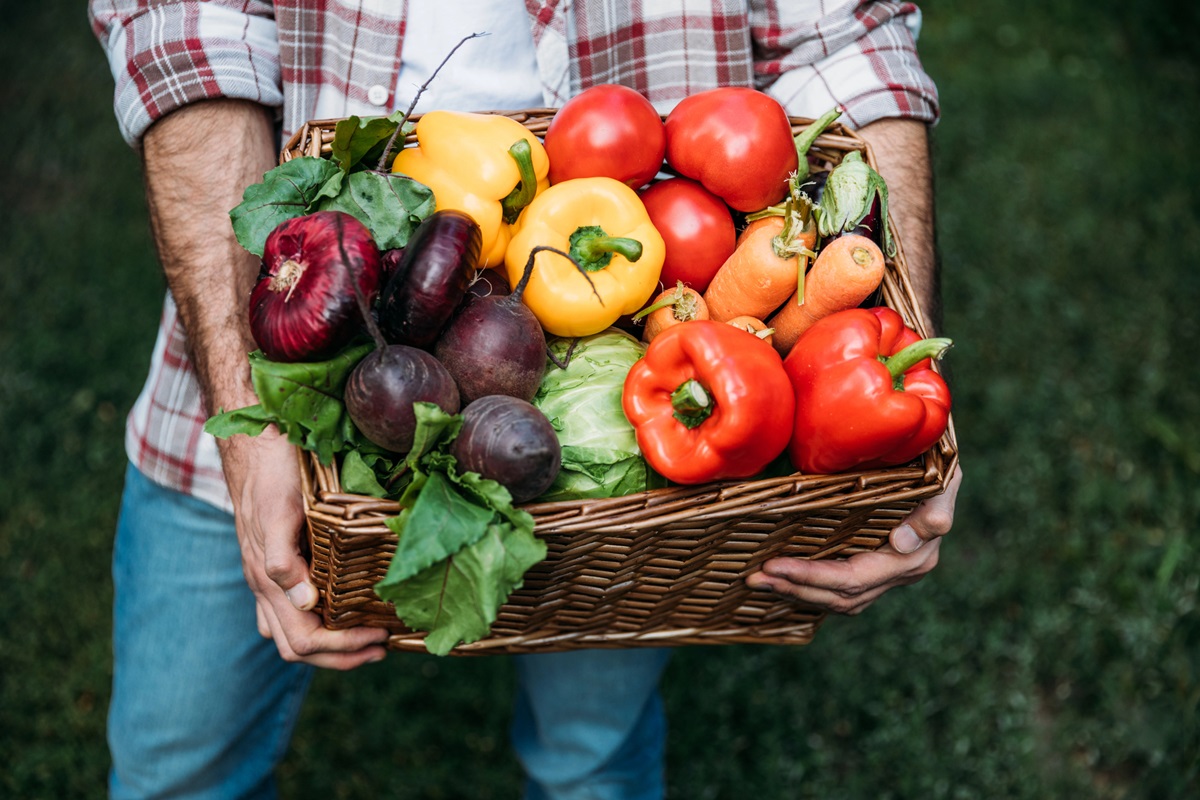
The introduction of GMOs into farming practices could threaten biodiversity. Cross-pollination between GMO crops and wild plants can lead to unintended consequences, disrupting ecosystems. If the genetic integrity of natural plants is compromised, it may have irreversible effects on the environment.
The Potential for Superweeds and Pests

One disturbing reality of GMOs is their potential to create superweeds and resistant pests. As crops become genetically modified to withstand herbicides, weeds may evolve to survive, resulting in stronger, harder-to-control plants. This could lead to a future of more intense pesticide use and ecological imbalance.
Related Post: 11 Shocking Chicken Cooking Errors You Won’t Believe You’re Still Making
GMOs Have an Uncertain Long-Term Impact
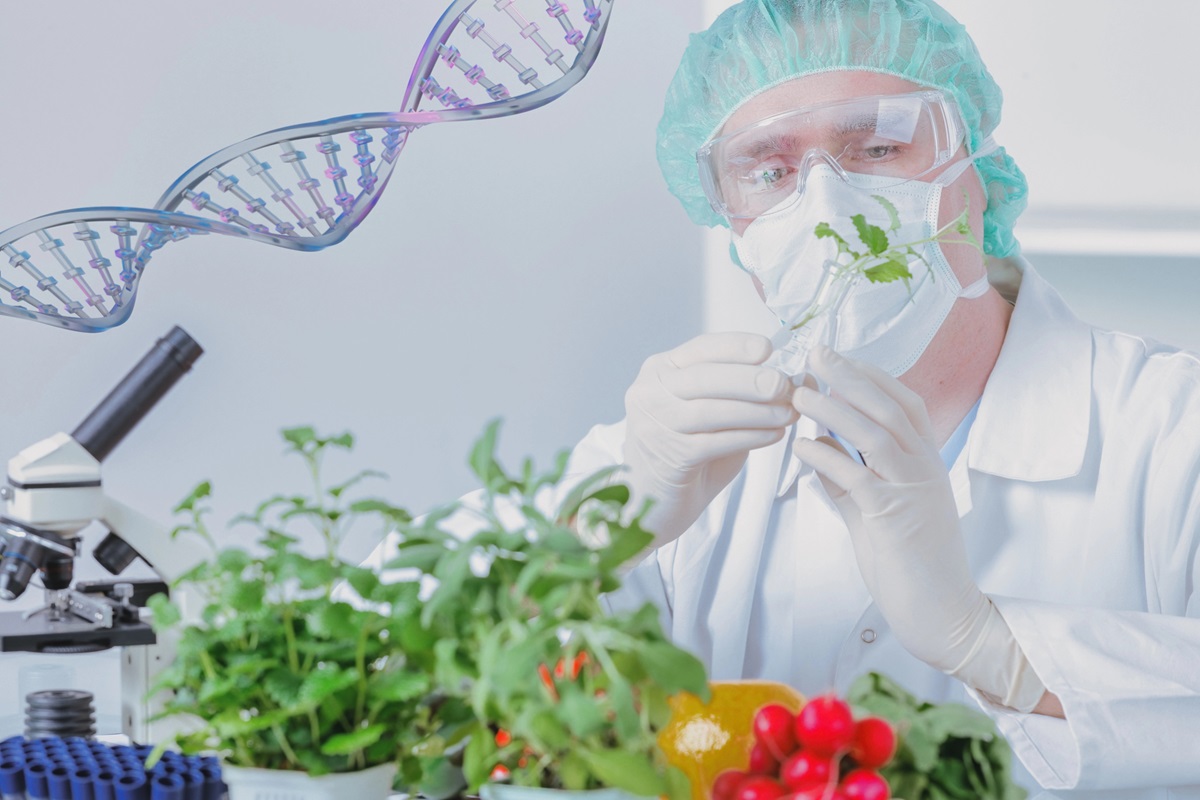
Many GMOs are relatively new, and we don’t yet know their full impact on human health or the environment. Most studies focus on short-term effects, leaving the long-term consequences unexamined. As scientists continue their research, the picture will become clearer, but for now, the uncertainty remains troubling.
Related Post: 10 Things You’re Doing Wrong With Lasagna And Why Italian Moms Are Furious About It
Genetic Engineering is Being Used on Animals

Genetic modification isn’t just limited to plants. Animal products, including fish and meat, can now be genetically altered. For instance, genetically modified salmon grow faster than their wild counterpart, raising concerns about the ethics and safety of consuming genetically engineered animals in your meals.
Related Post: 10 Mouthwatering Meatball and Potato Dishes You’ll Obsess Over After One Bite
GMOs Can Lead to Corporate Control of Food
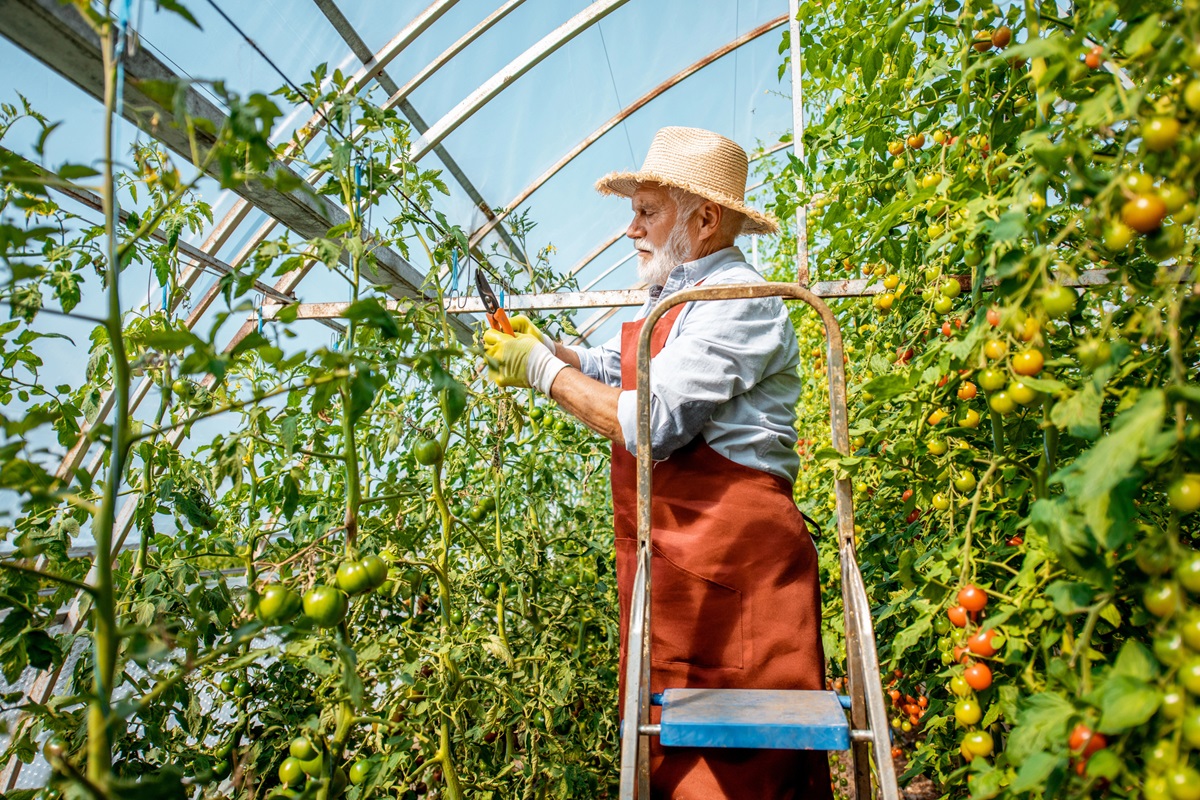
A major concern about GMOs is that large corporations may use them to gain control over the food supply. Companies that own GMO patents often dictate the terms of seed use, putting small farmers at a disadvantage. This monopolization could drastically change food production and accessibility.
Related Post: 10 Insanely Creamy One-Pot Mac and Cheese That Will Ruin All Other Mac And Cheeses For You
GMOs Contribute to Soil Degradation
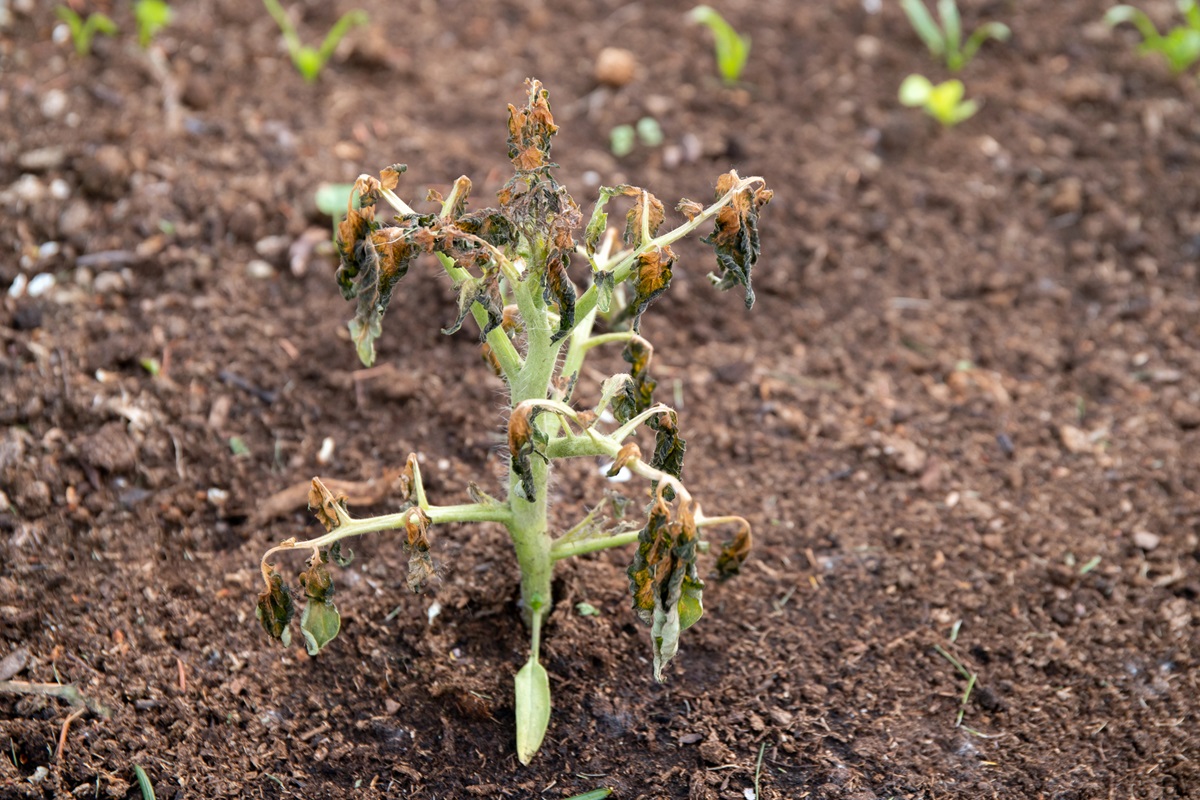
Some genetically modified crops, such as those designed to resist herbicides, encourage the overuse of chemicals that degrade the soil. Over time, this could make soil less fertile and impact the future of farming. Sustainable farming practices could be sidelined as more GMO crops dominate.
Related Post: 13 Cream Cheese Roll Ups So Addictive You’ll Forget They’re Veggie
The Risk of Cross-Contamination
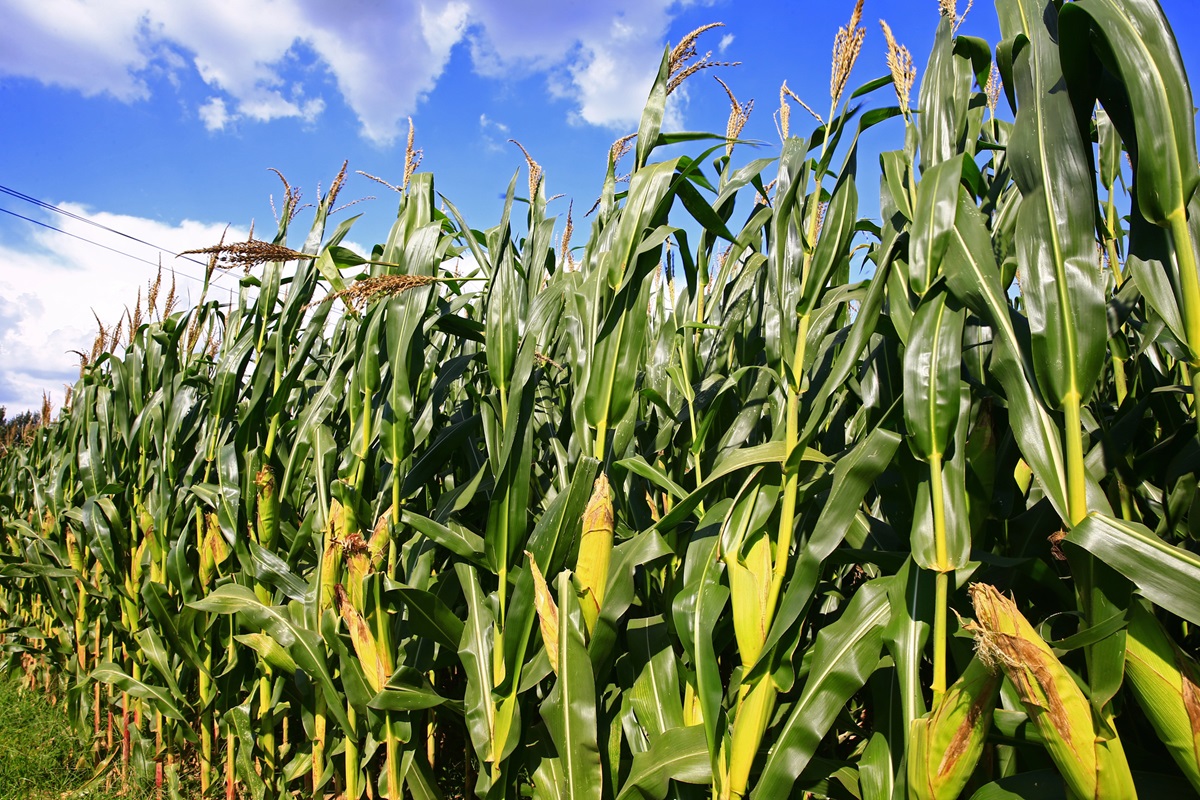
Another disturbing reality is the risk of GMO crops contaminating non-GMO crops. Cross-pollination between genetically engineered plants and organic crops can lead to the unintended spread of GMO traits. This creates complications for farmers trying to maintain non-GMO fields or for those aiming to market organic products.
Related Post: 14 Healthy Salmon Meals That Will Completely Revamp Your Weeknight Dinners
Consumers Are Not Fully Informed

A lack of transparency in food labeling means that many consumers unknowingly purchase GMO products. Despite calls for clearer labeling, it remains a contentious issue in the food industry. Until better laws are in place, shoppers may be unknowingly consuming genetically modified foods.
Related Post: 12 Layer Cakes So Delicious They Taste Like Sunshine In Every Bite
The future of GMOs is both exciting and unsettling. While they offer potential solutions to global food shortages, the consequences of widespread GMO use are still unknown. As you head to the store, being informed and aware of what’s in your food could be the most powerful tool in making better choices.
Disclaimer: This list is solely the author’s opinion based on research and publicly available information.
13 Secrets Hidden In Your Food Labels You Need To Know For Better Health

Food labels may seem straightforward, but they often conceal crucial details that can significantly impact your health and daily diet. Understanding what’s really behind the fine print can help you make smarter, more informed, healthier choices. Here are 13 hidden secrets lurking in your food labels.
Read it here: 13 Secrets Hidden In Your Food Labels You Need To Know For Better Health
What Food Labels Really Mean, The 12 Biggest Misleading Claims

Food labels are designed to catch your eye, but they don’t always tell the full story. Many terms sound healthy, natural, or superior, but in reality, they often hide loopholes and marketing tactics that can be misleading. Some of these labels might even trick you into thinking you’re making better choices when you’re not. Here are 12 of the most deceptive food label claims and what they mean.
Read it here: What Food Labels Really Mean, The 12 Biggest Misleading Claims
15 Once Hyped Health Foods That Have Been Replaced by Superfoods

Remember when certain “health foods” were all the rage, gracing the covers of wellness magazines and dominating supermarket shelves? While these once-hyped foods had their moment in the sun, they have since been overshadowed by the rise of superfoods that promise even greater health benefits. Let’s take a look at some of the health foods that were once considered nutritional powerhouses but have now been replaced by the latest superfood sensations.
Read it here: 15 Once Hyped Health Foods That Have Been Replaced by Superfoods
You’ll love these related posts: