
Your daily food choices can have a big impact on the planet, and small changes add up quickly. From reducing waste to choosing more sustainable ingredients, eating with the environment in mind is easier than you think. You don’t have to overhaul your lifestyle overnight; simple shifts make a real difference. Whether you’re cooking at home or dining out, eco-conscious habits can help fight climate change and support a healthier world. Try these 10 practical ideas to make your diet greener, smarter, and more sustainable.
Eat More Plant-Based Meals

Shifting just a few meals a week to plant-based options reduces your carbon footprint significantly. Beans, lentils, veggies, and grains require fewer resources than meat and still provide tons of nutrition. Even small swaps like veggie tacos or lentil chili make an environmental difference.
Buy Local and Seasonal Produce
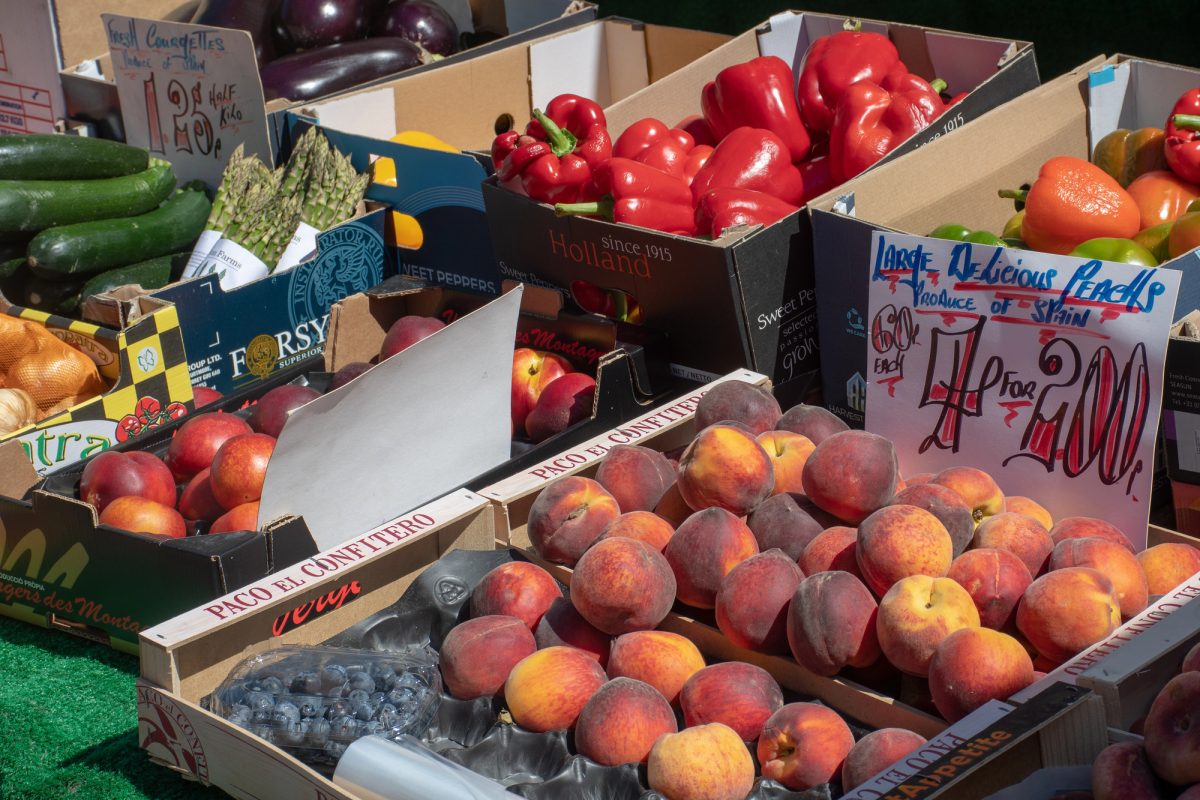
Shopping for fruits and vegetables that are in season and grown locally supports nearby farmers and reduces emissions. Local foods travel shorter distances, meaning less fuel, less packaging, and fresher ingredients. Seasonal eating also adds variety and better flavor to your meals.
Reduce Food Waste

Plan meals, store leftovers properly, and get creative with scraps to prevent food from ending up in the trash. Wasted food contributes to methane in landfills and squanders all the resources it took to grow. Freezing extras or using wilting veggies in soups goes a long way.
Choose Organic When You Can
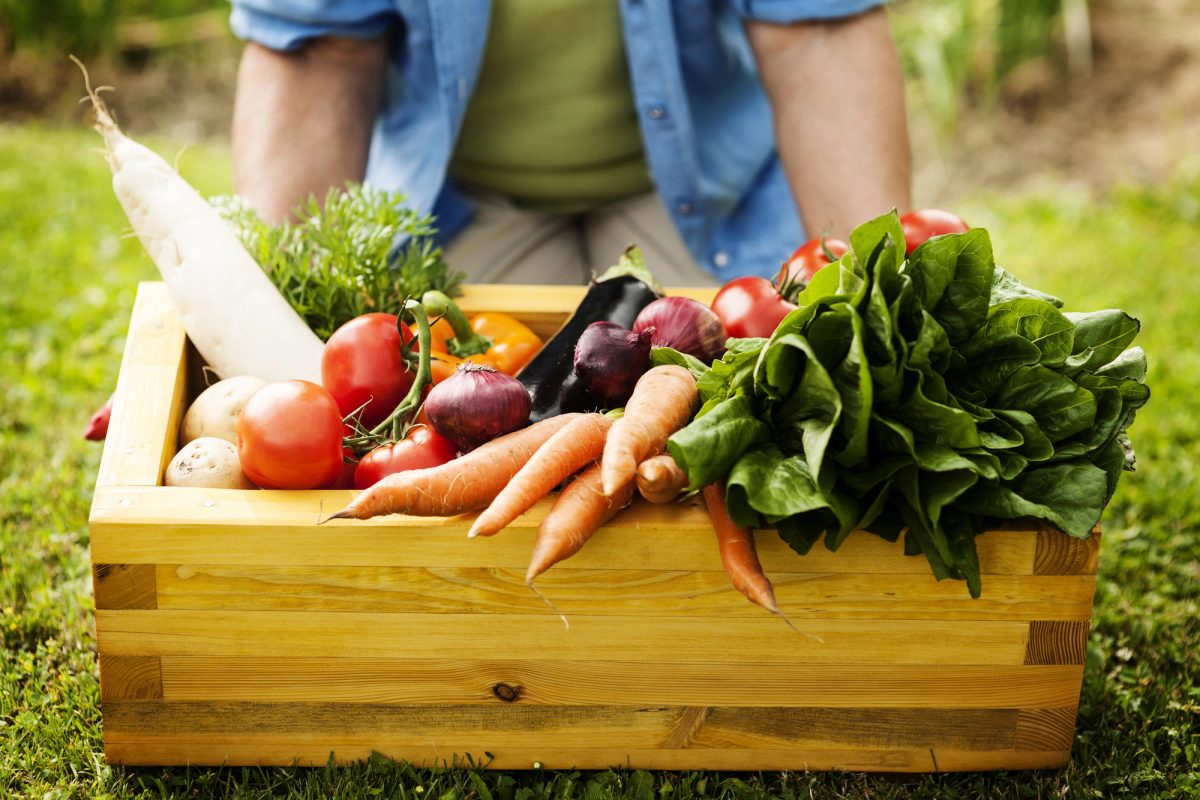
Organic farming avoids harmful pesticides and emphasizes soil health, which supports ecosystems and clean water. Even swapping one or two items for organic, like apples or spinach, can make a difference. Prioritize the “Dirty Dozen” if you’re watching your budget.
Related Post: 10 Supermarket Staples That Are Now Shocking Your Wallet
Cut Back on Red Meat

Beef production has one of the highest environmental costs, from water usage to greenhouse gas emissions. Try replacing some beef meals with poultry, fish, or plant-based proteins for lower-impact options. Your health and the environment will both benefit from this change.
Related Post: 15 Fast Casual Chains That Are Worth Every Penny
Avoid Single-Use Packaging
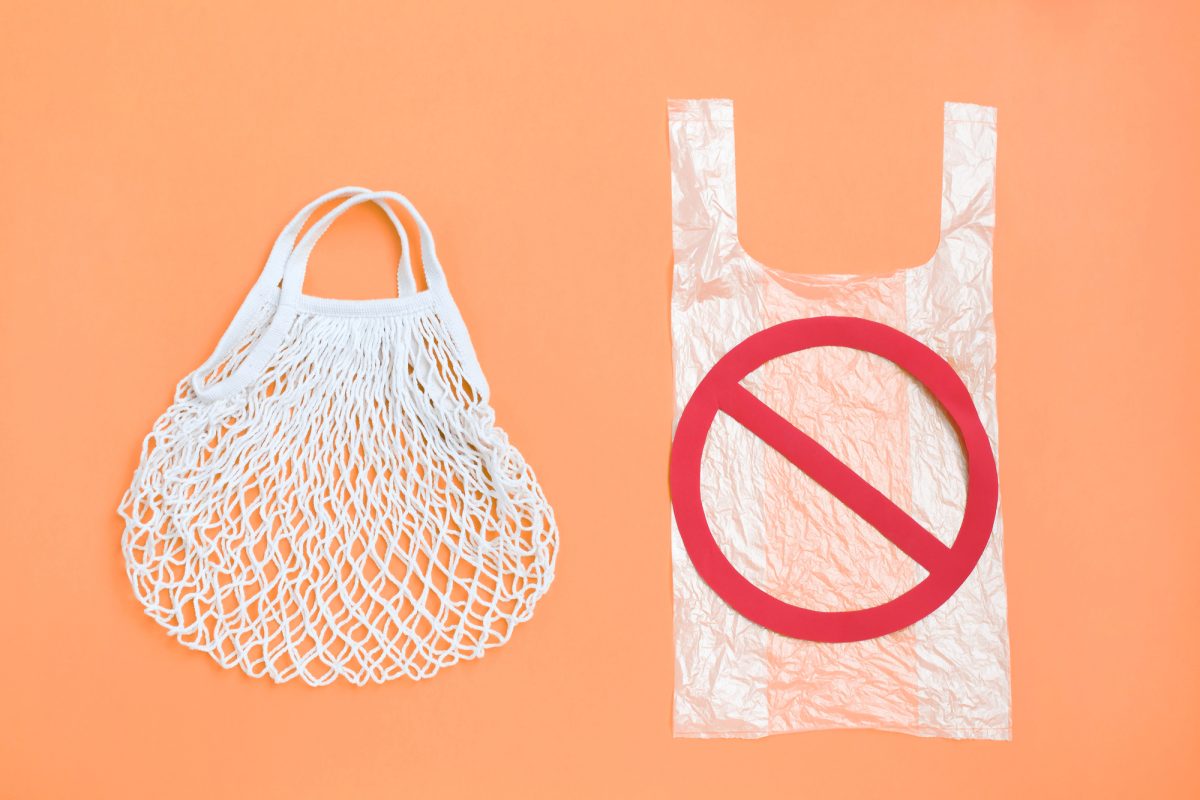
Buy in bulk, bring reusable bags, and choose items with minimal or recyclable packaging whenever possible. Plastic packaging often ends up in landfills or oceans, harming wildlife and polluting ecosystems. Simple switches like reusable containers help reduce your plastic footprint.
Related Post: 10 McDonald’s Fry Secrets They Never Brought Back
Support Sustainable Seafood

Look for seafood that’s certified by groups like the MSC or Seafood Watch to ensure responsible harvesting. Overfishing and destructive fishing methods can devastate ocean life and marine ecosystems. Choosing sustainable options helps protect the future of our oceans and food supply.
Related Post: 10 Reasons To Add Banana To Your Fruit Mix
Grow Your Herbs or Veggies
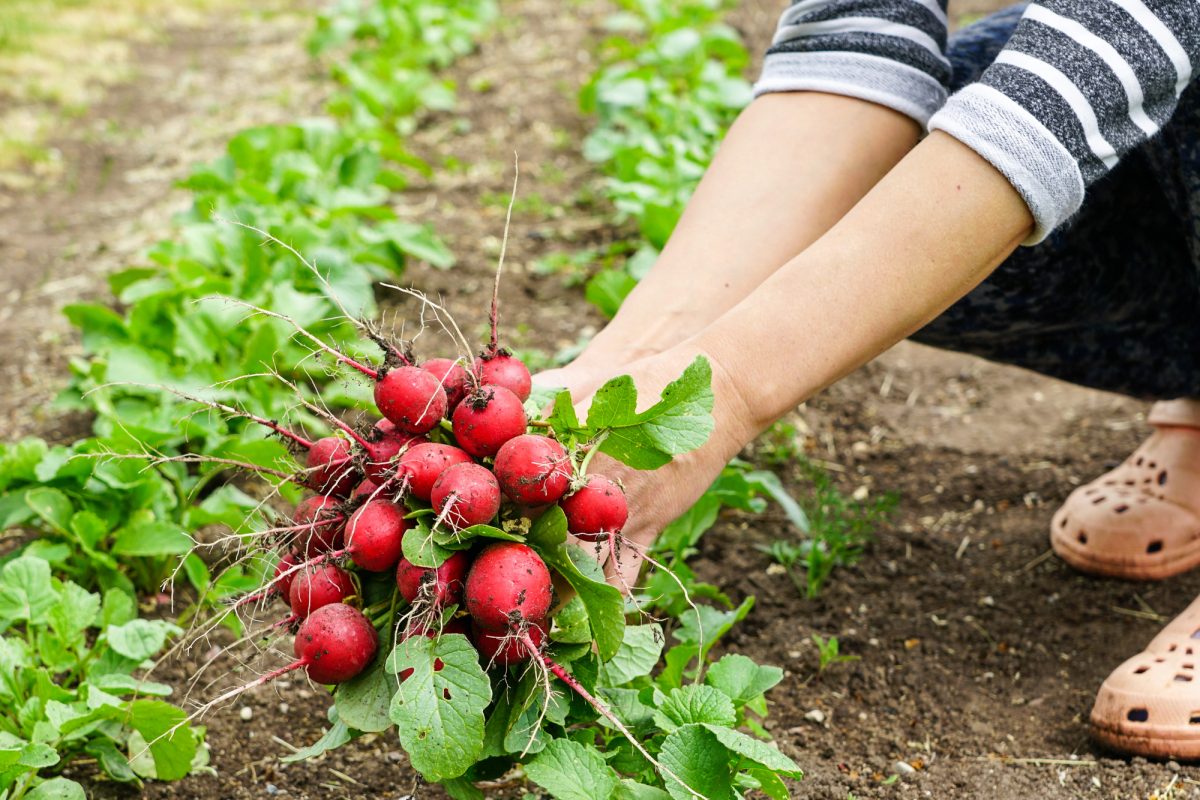
Starting a small garden, even in pots on your balcony, reduces transportation emissions and packaging waste. Growing basil, lettuce, or tomatoes at home also gives you fresher, pesticide-free food right at your fingertips. It’s rewarding, fun, and incredibly eco-friendly.
Related Post: 12 Cinnamon Brands You Can Trust
Choose Whole Foods Over Processed
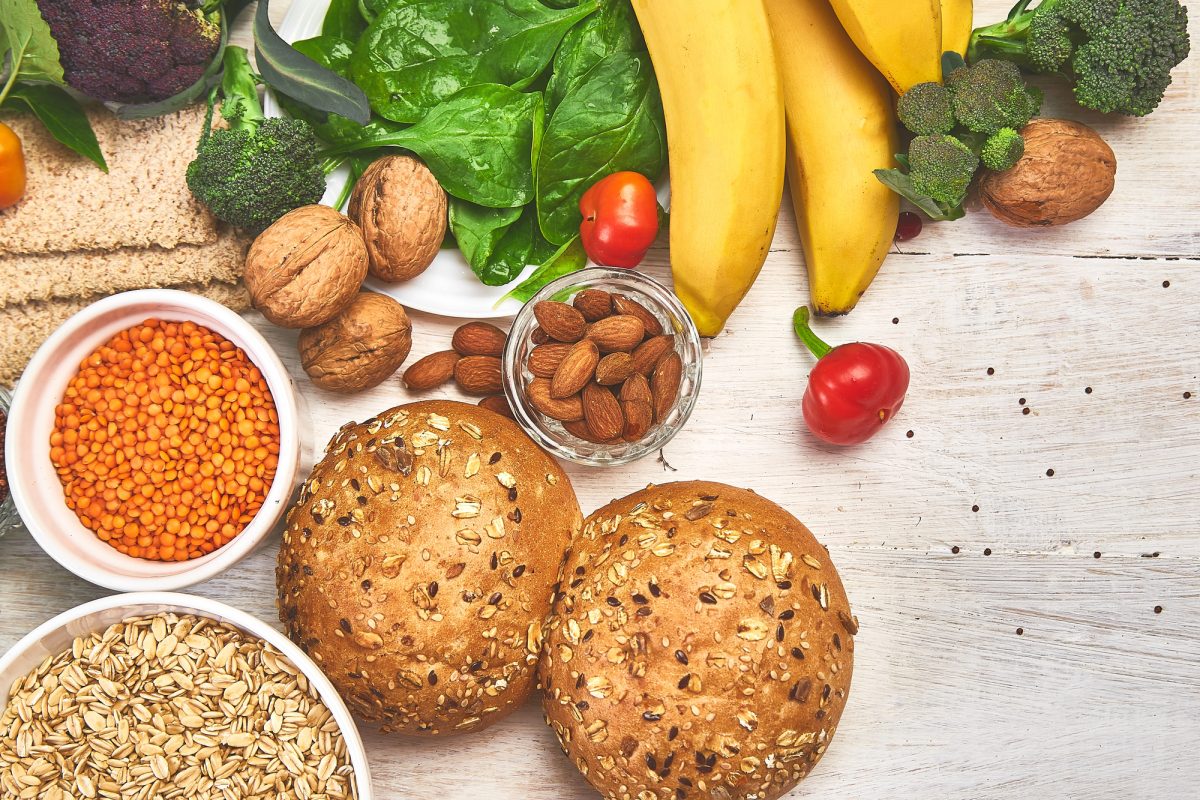
Processed foods often come with excess packaging, long supply chains, and unnecessary ingredients. Whole foods like grains, beans, fruits, and veggies are better for you and the environment. They also give you more control over how your meals are prepared and sourced.
Related Post: These 10 Flours Are Why Everyone Is Breaking Up With Wheat
Drink Tap Water, Not Bottled

Skip bottled water whenever possible to reduce plastic waste and the carbon cost of manufacturing and shipping. Invest in a good reusable water bottle and a filter if needed to improve tap water. It’s cheaper, healthier for the planet, and just as refreshing every time.
Related Post: 10 Dried Fruits Nutritionists Swear By
Eating sustainably doesn’t mean giving up the foods you love, it’s about making smarter, more mindful choices. Whether you go plant-based one day a week or grow herbs on your windowsill, every step counts. Start small, stay consistent, and help build a better future with every bite.
Disclaimer: This list is solely the author’s opinion based on research and publicly available information.
10 Food Swaps That Quietly Protect Endangered Species

Every day, the food choices we make can have a lasting impact on the environment and the species that inhabit it. By choosing foods that are sustainably sourced, plant-based, or certified to protect wildlife habitats, we can help reduce the threat of extinction for endangered species. The good news is that you don’t have to give up delicious flavors to make a difference. Small swaps in your diet can lead to meaningful environmental change. From seafood to snacks, every mindful choice helps preserve critical ecosystems that are home to endangered species.
Read it here: 10 Food Swaps That Quietly Protect Endangered Species
11 Global Food Trends That Stirred Major Backlash

Food trends come and go, but some stir up more than just curiosity. They spark controversy, strong opinions, and sometimes even outrage. While some food movements gain traction and become mainstream, others encounter fierce backlash for various reasons, including ethical concerns, environmental impacts, or simply because they push the boundaries of what people consider acceptable or appetizing. In this article, we explore 11 global food trends that stirred major backlash and why they made waves in the food world.
Read it here: 11 Global Food Trends That Stirred Major Backlash
13 Ways Cutting Food Waste Can Change Your Kitchen And Your Life

Cutting food waste isn’t just a trend, it’s a way of life that benefits both your kitchen and the planet. By becoming more mindful of what you throw away, you’ll reduce waste, save money, and contribute to a healthier world. These small changes can lead to massive improvements in how you cook, shop, and think about food.
Read it here: 13 Ways Cutting Food Waste Can Change Your Kitchen And Your Life