
We’ve all been there—distracted for just a moment, and suddenly your favorite pan looks ruined. Learning how to clean a burnt pot can feel intimidating, but you don’t need to scrub endlessly or throw it out. With simple household items and the right method, you can restore that pot’s shine easily and save it from permanent damage.
Soak the Pot Immediately
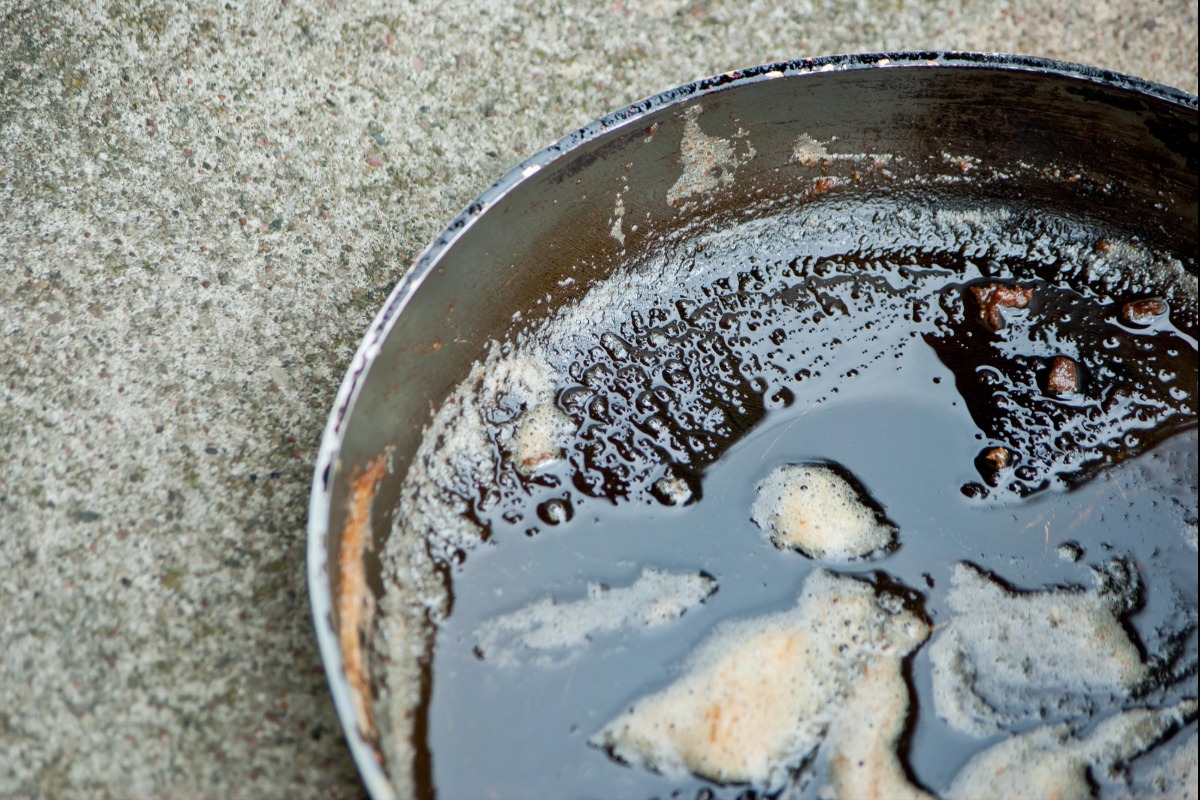
The first step in how to clean a burnt pot is soaking. Fill it with warm water and a few drops of dish soap. Let it sit for at least 30 minutes, or overnight for heavy burns. This softens stuck food particles, making them easier to lift without harsh scrubbing or scratching the pot’s surface.
Boil Water and Baking Soda
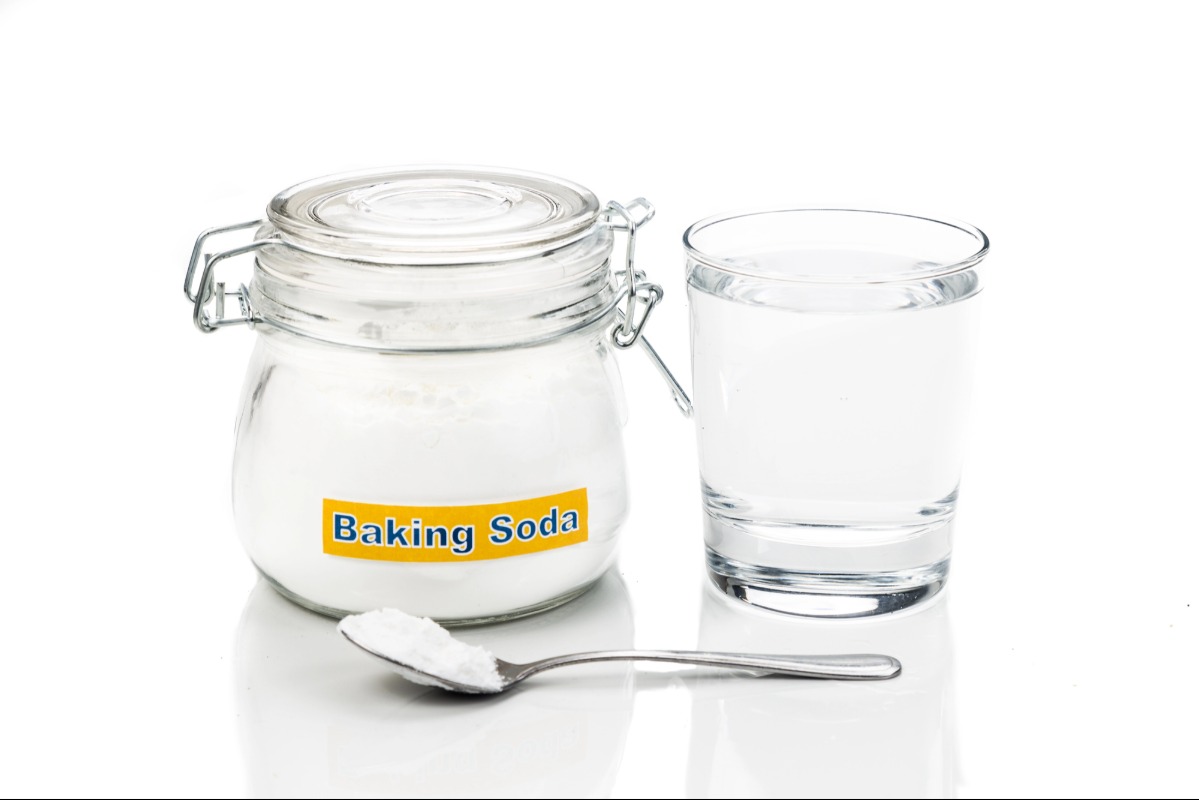
A classic method in how to clean a burnt pot uses baking soda’s natural cleaning power. Fill the pot with water, add two tablespoons of baking soda, and bring it to a boil. Let it simmer for 10–15 minutes. Once cooled, the residue loosens easily, and a gentle scrub will remove most burn marks.
Use White Vinegar for Tough Stains
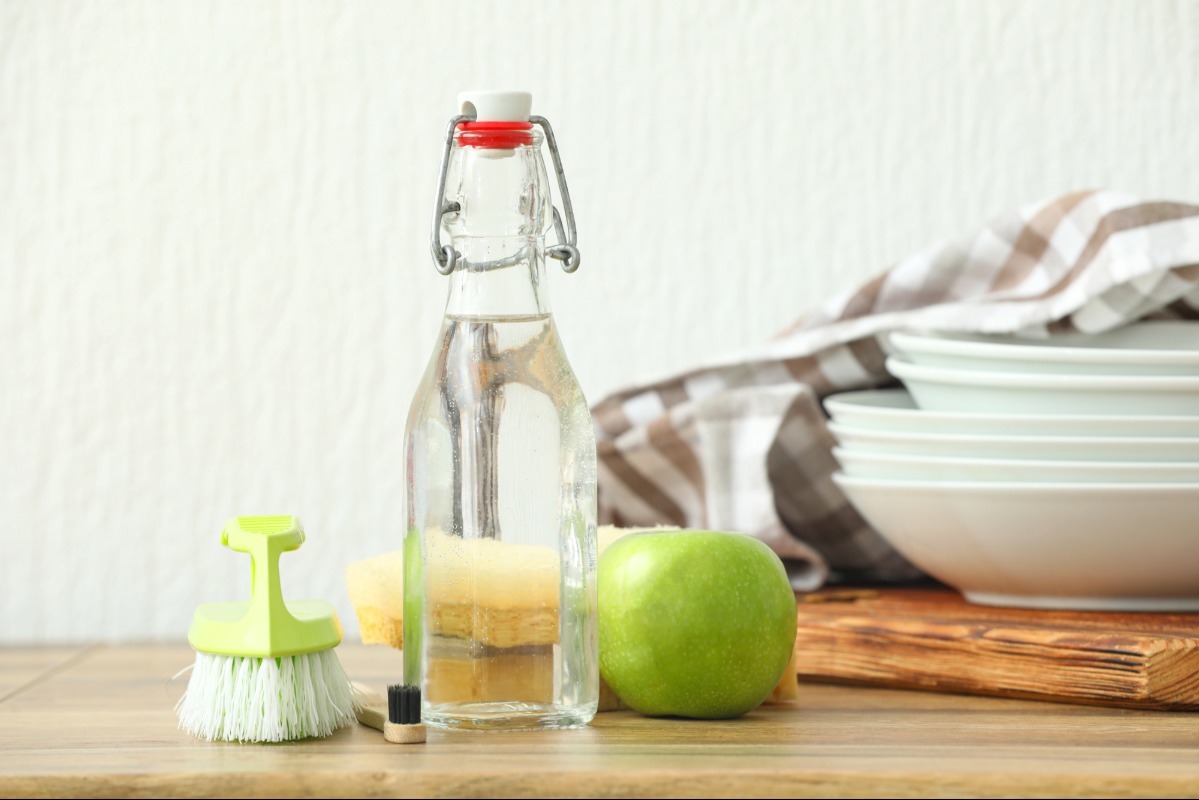
When learning how to clean a burnt pot, vinegar helps dissolve stubborn residue. Fill the pot with equal parts water and white vinegar, boil for five minutes, and then let it cool. The acidic solution breaks down burnt food effectively. Rinse thoroughly and follow up with soap to remove any lingering odor.
Try a Baking Soda Paste
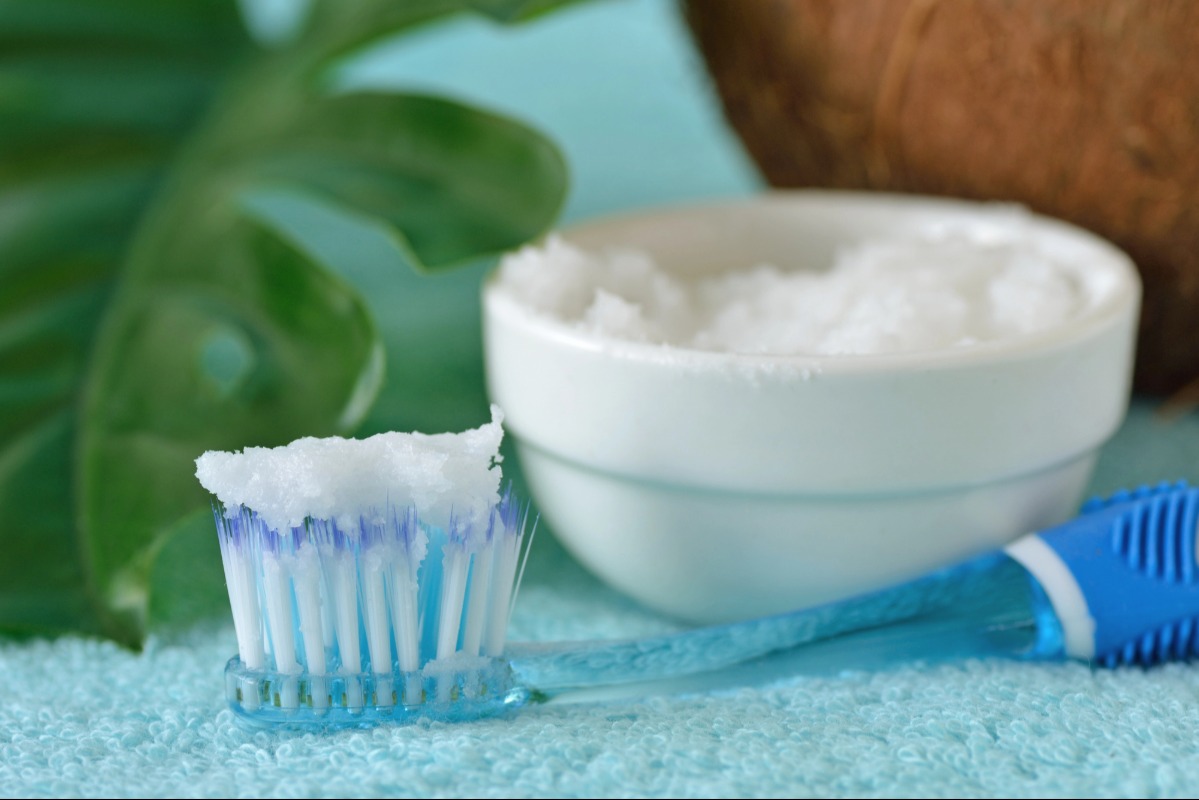
For deep burns in how to clean a burnt pot, make a thick paste using baking soda and a few teaspoons of water. Apply it over the affected areas and let it sit for 30 minutes. Gently scrub with a sponge or soft brush to lift burnt spots without damaging stainless steel or enamel.
Use Lemon Juice for Shine and Freshness
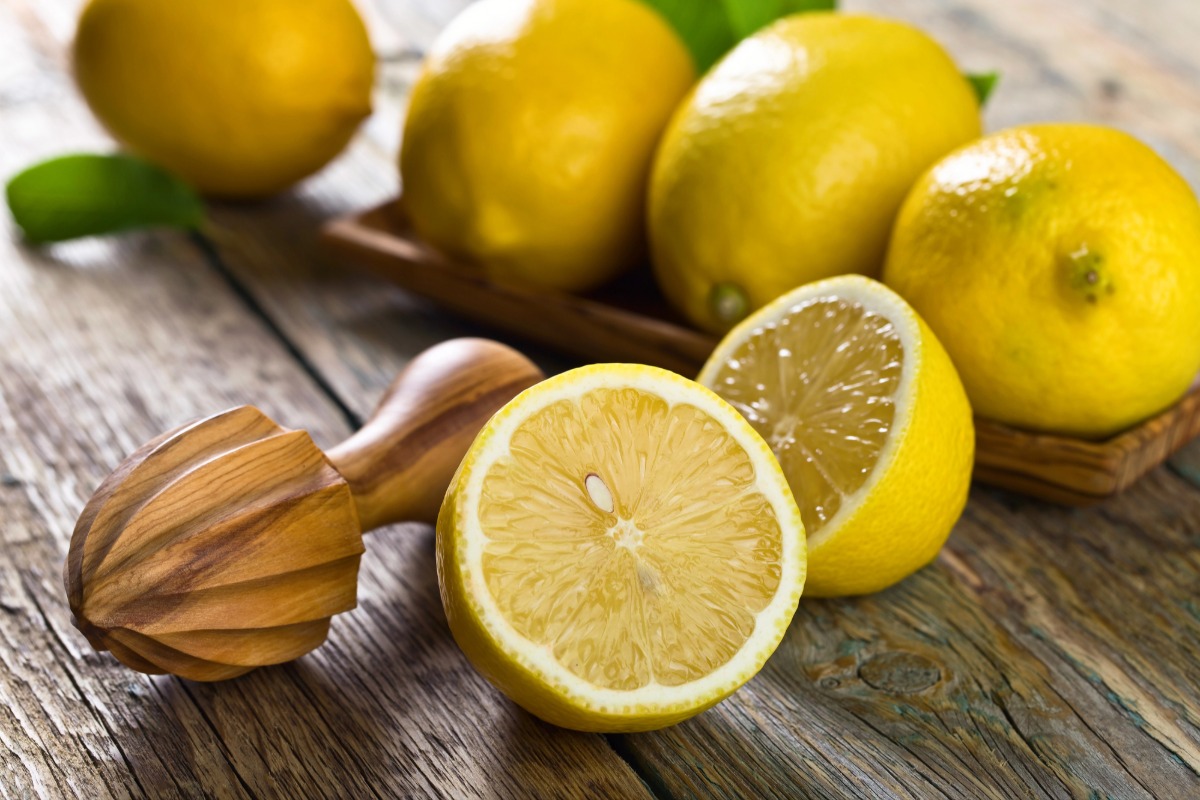
A fresh and natural trick in how to clean a burnt pot involves using lemon. Cut a lemon in half, squeeze the juice into the pot, and rub the halves around the burnt areas. The citric acid gently loosens stains while neutralizing odors. Let it sit for about 15 minutes, rinse thoroughly, and your pot regains its natural shine and luster.
Try Salt as a Mild Abrasive

Salt works wonders in how to clean a burnt pot when used as a gentle scrub. Sprinkle coarse salt over the affected area, then add a small amount of warm water to form a paste. Scrub gently using a sponge. The salt helps loosen burnt-on bits without scratching nonstick or metal finishes.
Use a Wooden Spoon for Scraping
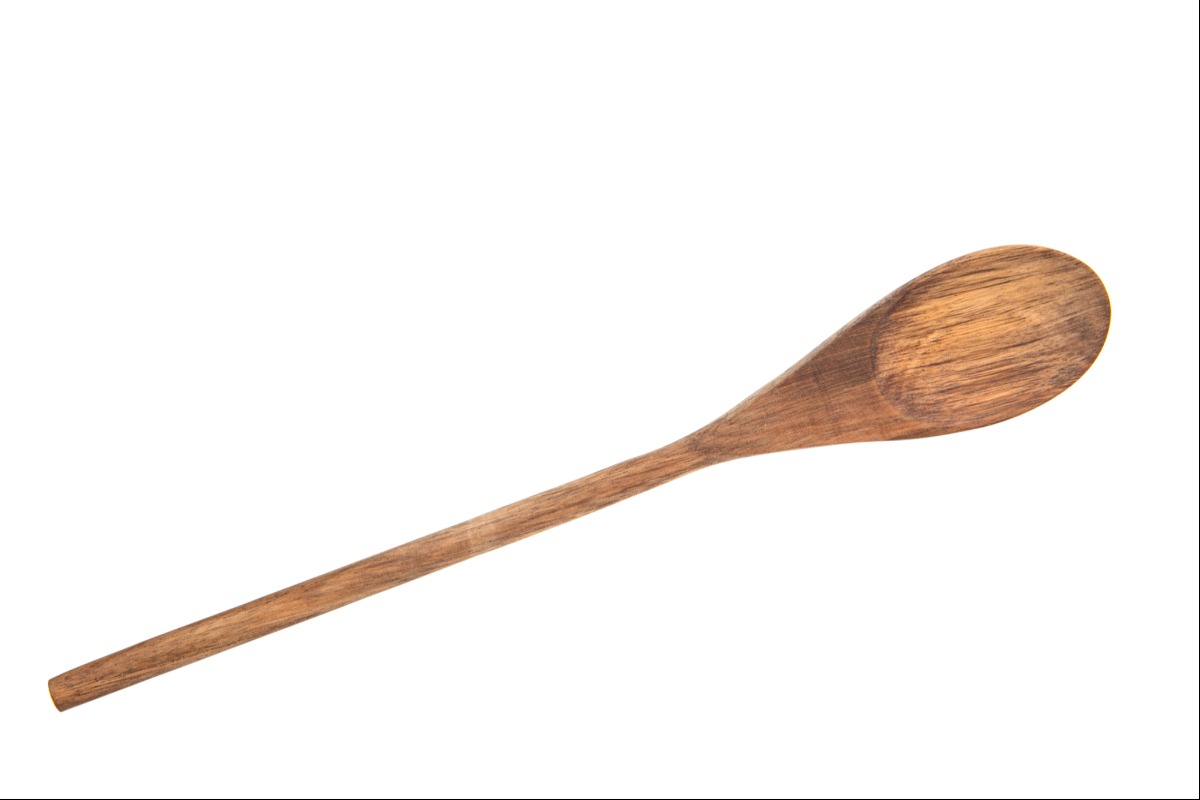
When handling how to clean a burnt pot, avoid metal utensils. Instead, use a wooden spoon to scrape softened residue after soaking or boiling. It’s sturdy enough to lift debris but gentle enough to protect your pot’s coating. This method preserves your cookware while effectively removing loosened food layers.
Try Dish Soap and Aluminum Foil
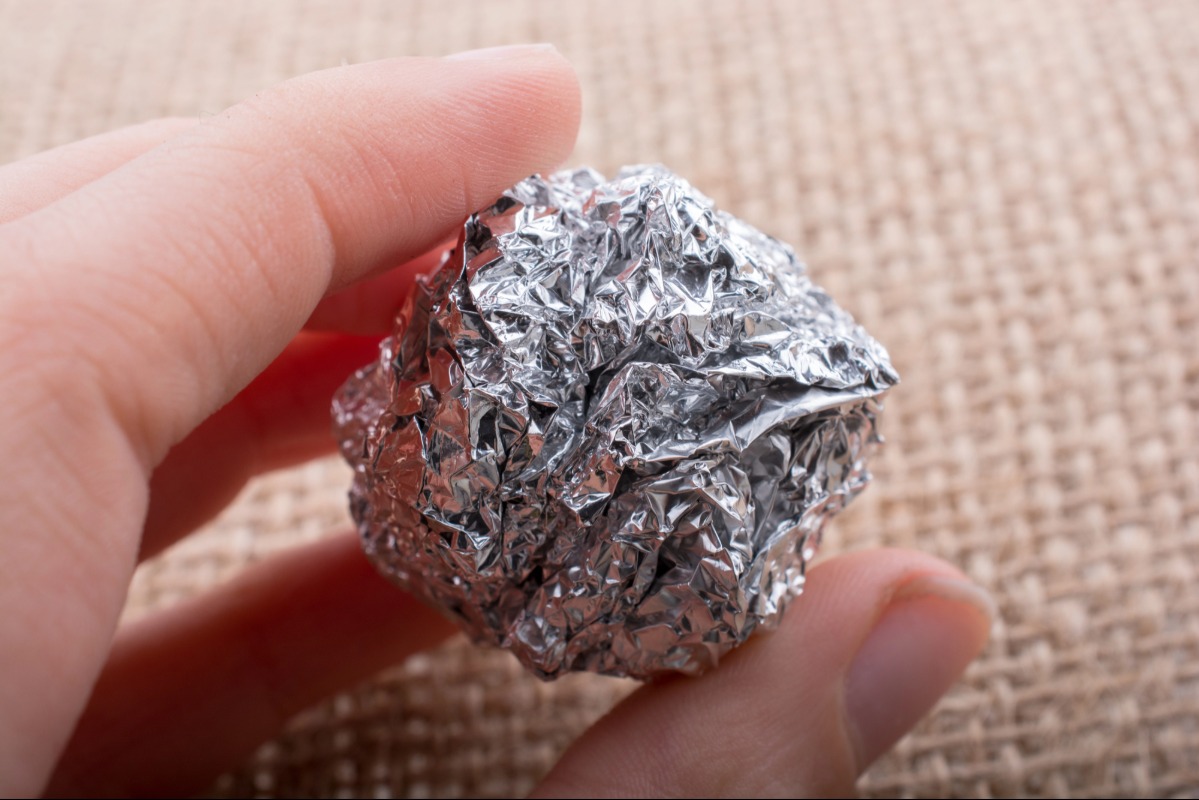
For stubborn burns in how to clean a burnt pot, crumple a small piece of aluminum foil into a ball. Add dish soap and warm water, then use the foil to scrub the surface gently. It’s abrasive enough to lift grime but softer than steel wool, helping restore your pot’s shine safely.
Use Cream of Tartar for Deep Cleaning

A lesser-known trick in how to clean a burnt pot uses cream of tartar. Mix one tablespoon with water to form a paste or add to boiling water for soaking. The mild acid breaks down scorch marks effectively, especially on stainless steel surfaces, leaving your pot clean without any harsh chemical residue.
Apply Hydrogen Peroxide for Stubborn Stains
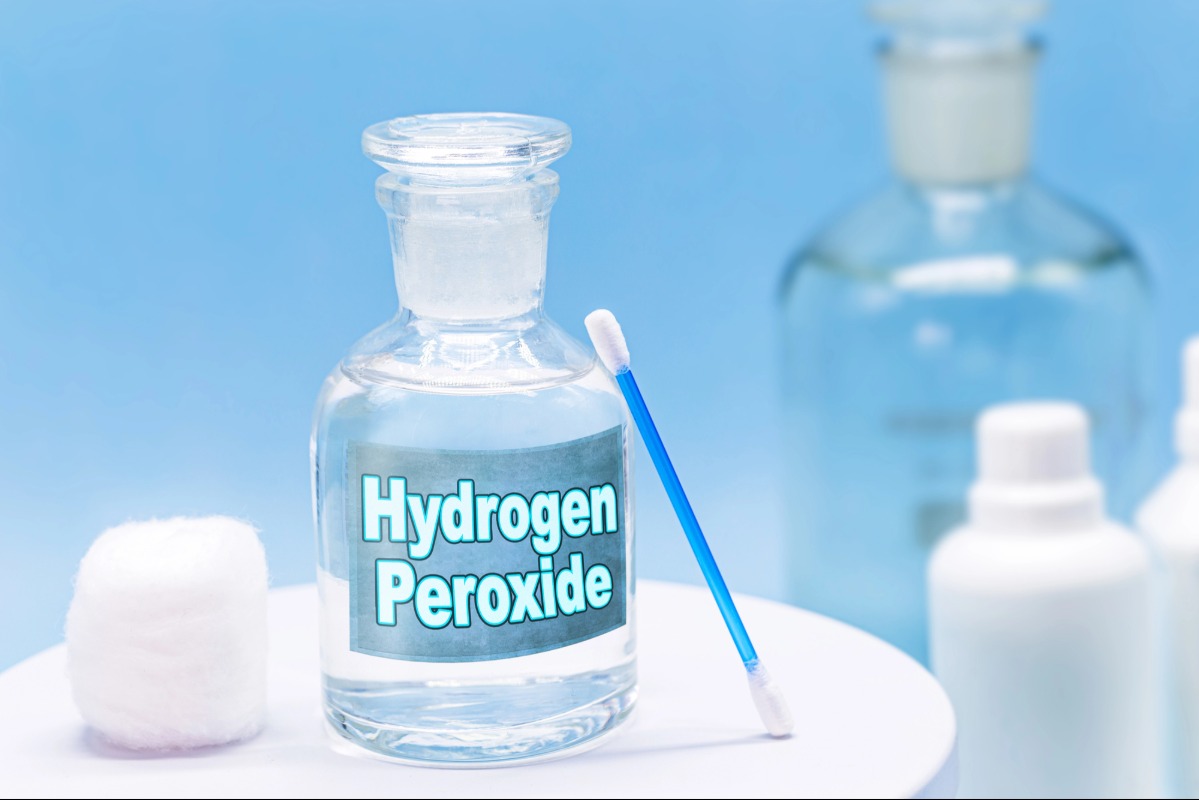
If other methods fail, how to clean a burnt pot can include hydrogen peroxide. Pour a layer into the pot, bring it to a gentle boil, then let it cool. The bubbling action lifts deep-seated grime. Rinse thoroughly afterward to ensure no residue remains—it’s effective for heavily charred cookware surfaces.
Use Dryer Sheets Overnight

A clever household hack in how to clean a burnt pot is using a dryer sheet. Fill the pot with warm water, add one sheet, and let it sit overnight. The sheet’s softening agents help release burnt food effortlessly. The next morning, you’ll find residue wipes away easily with minimal effort.
Try Bar Keepers Friend or Bon Ami
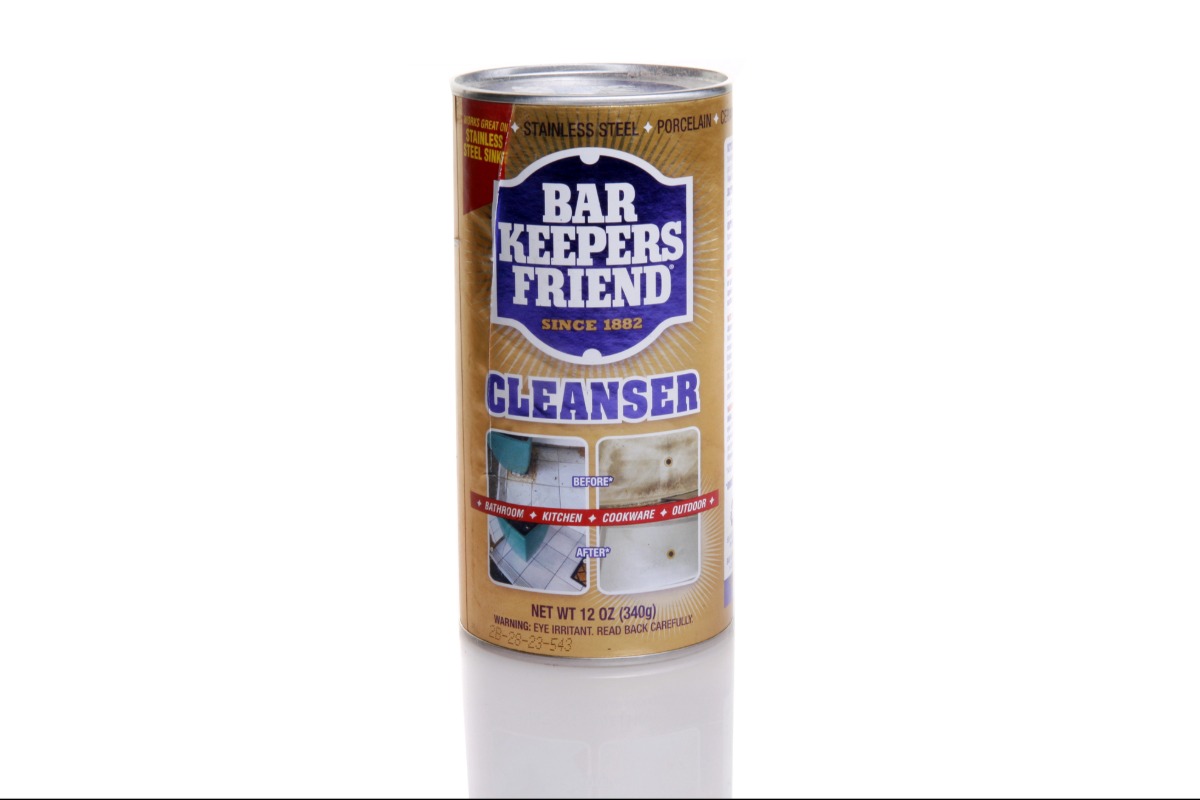
For serious burns, how to clean a burnt pot might require a commercial cleaner like Bar Keepers Friend or Bon Ami. Sprinkle a small amount on the damp pot, scrub gently, and rinse thoroughly. These products polish stainless steel and enamel surfaces effectively without scratching, restoring a smooth, shiny finish safely.
Rinse with Boiling Water After Cleaning
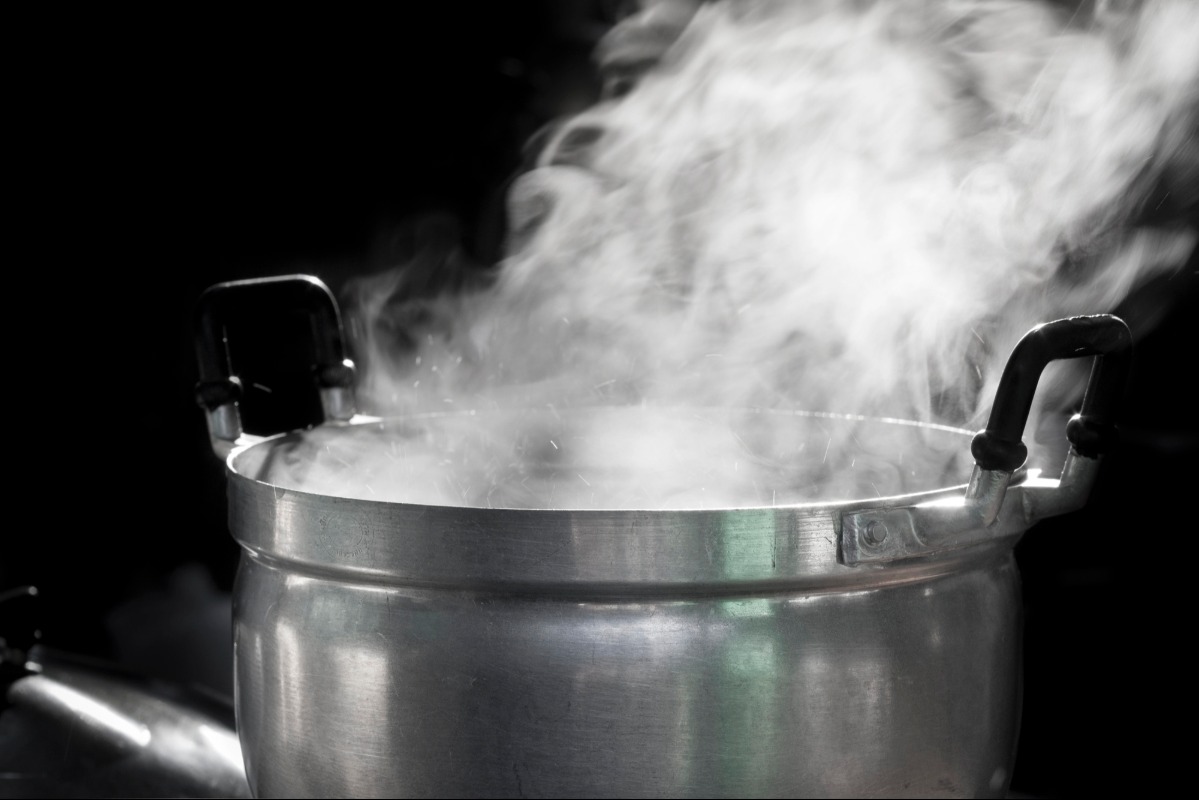
A final rinse in how to clean a burnt pot helps remove any leftover residue or cleaner. Pour boiling water into the pot and swirl it around. This step loosens micro-debris and sanitizes the surface, ensuring your cookware is fully clean, odor-free, and ready for its next cooking adventure.
Dry Immediately to Prevent Water Spots
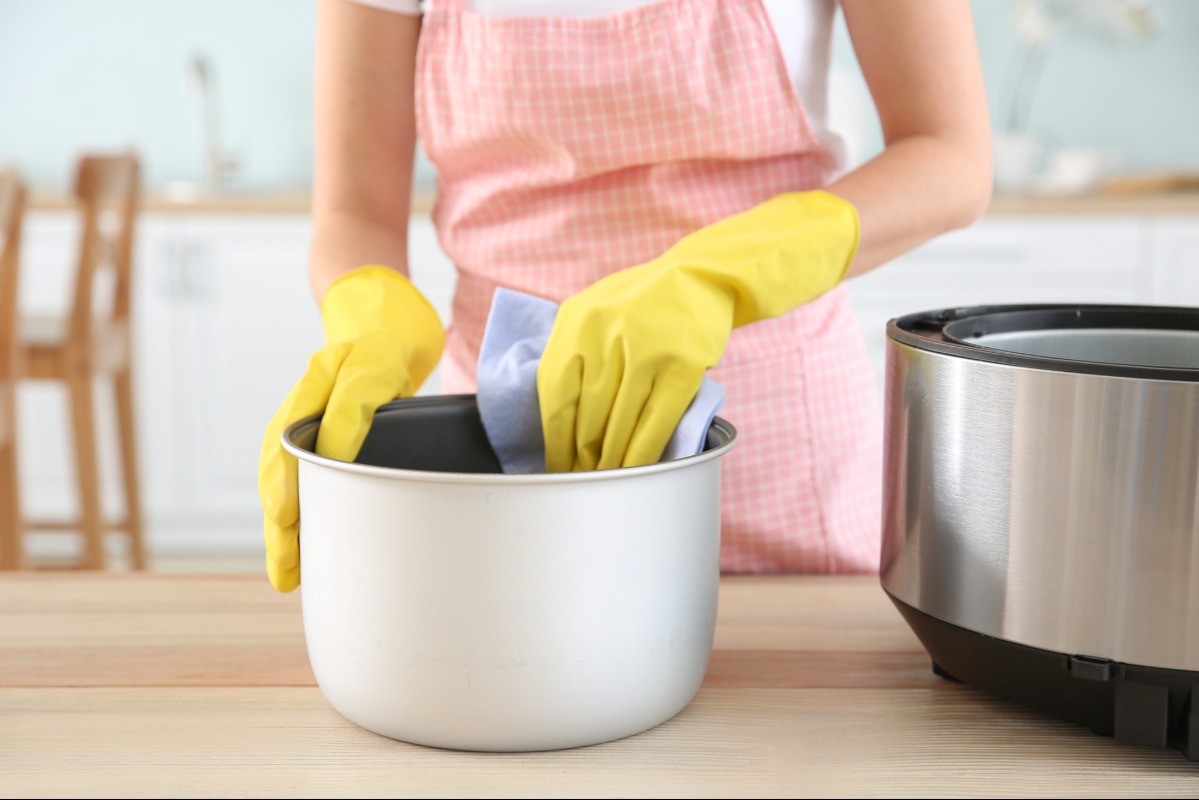
In how to clean a burnt pot, drying is key. After rinsing, dry thoroughly with a soft towel instead of air-drying. Water spots or leftover moisture can dull stainless steel and cause discoloration. Immediate drying preserves your pot’s finish and prevents future buildup of grime or mineral deposits.
Avoid Harsh Scrubbers or Bleach
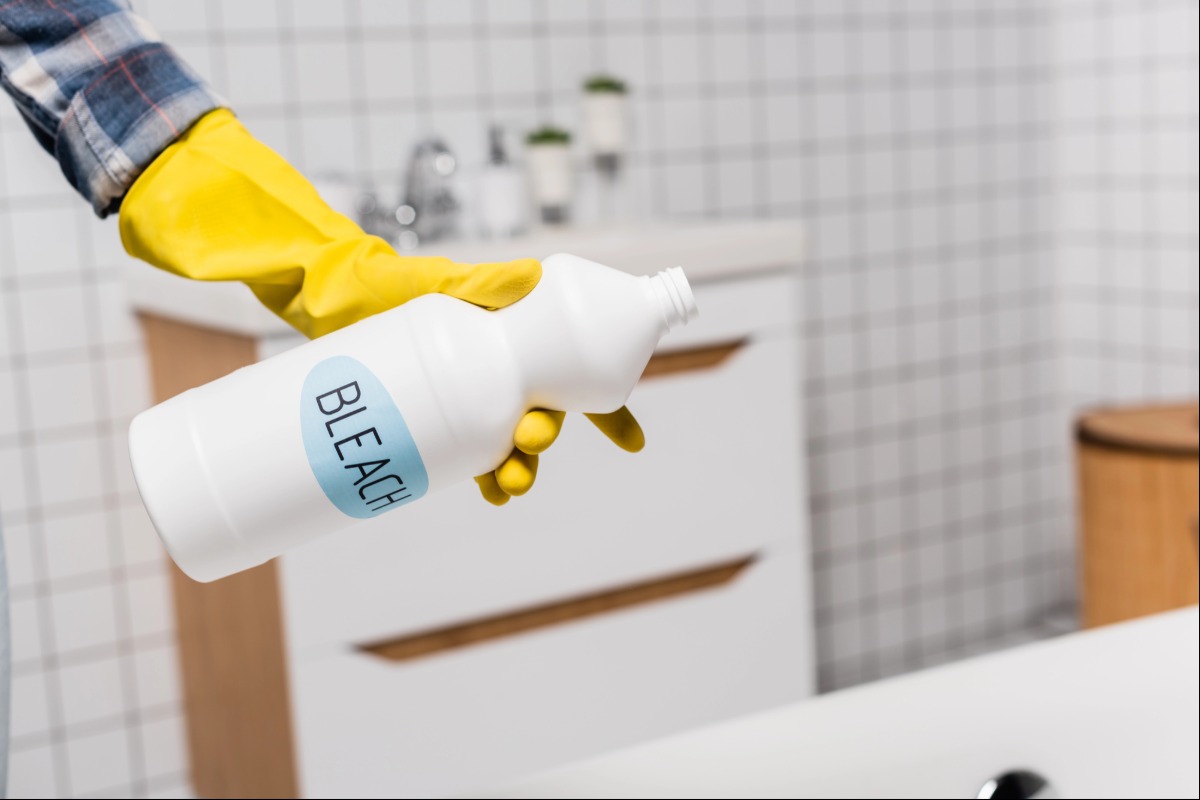
A common mistake in how to clean a burnt pot is using steel wool or bleach. These cause damage to surfaces and strip protective coatings. Always opt for non-abrasive sponges or brushes. Gentle cleaning methods extend your cookware’s lifespan while keeping it safe for food use and free from chemical residues.
Use Baking Soda Regularly for Maintenance
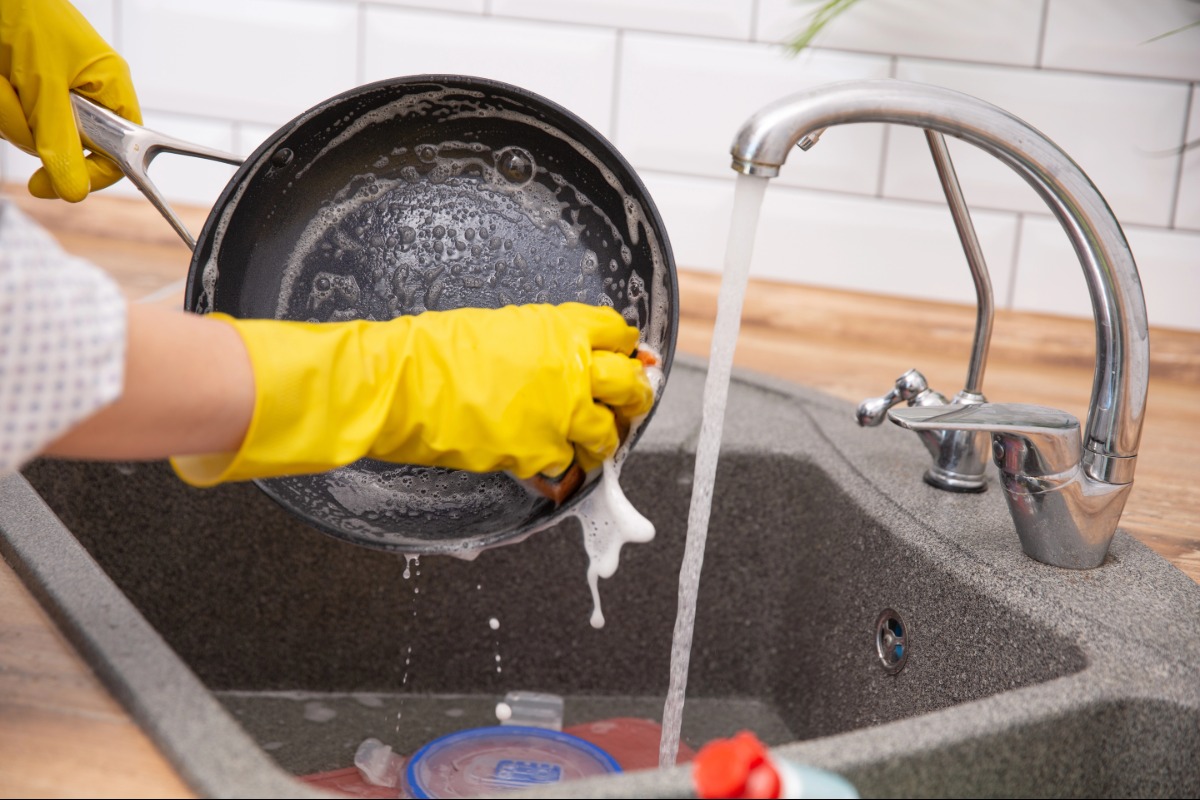
To prevent future buildup, include baking soda in your routine for how to clean a burnt pot. A light scrub after each use keeps the interior smooth and residue-free. This not only simplifies cleanup but also preserves your cookware’s performance, keeping it shiny and easy to maintain over time.
Repeat Steps if Needed—Don’t Rush It
Sometimes how to clean a burnt pot takes multiple tries, especially with deep burns. Repeat soaking or boiling methods instead of scrubbing aggressively. Patience prevents scratches and ensures a spotless finish. Over time, consistent gentle cleaning keeps your pot looking new and ready for any cooking challenge.
Mastering how to clean a burnt pot is easier than it looks. Start with soaking, then use natural cleaners like baking soda, vinegar, or lemon for the best results. Avoid harsh tools, stay patient, and finish with thorough rinsing and drying. With these simple steps, your pots will shine again—no stress, no damage, and no leftover burn marks.