
Traveling with food allergies can be exciting and rewarding, but it requires extra planning and clear communication from the start. A great trip is still possible when you are prepared and confident about your dietary needs and limits. While new cuisines are fun to explore, the wrong ingredients can turn your dream vacation into a health emergency. From language barriers to unfamiliar menus, you need to think ahead and stay alert without letting fear ruin the fun.
Research Local Cuisine in Advance

Learn which dishes in your destination commonly contain your allergen so you know what to avoid from the beginning. Read blogs, menus, and traveler reviews that describe how food is prepared and served in that region. The more you know ahead of time, the easier it is to eat with confidence abroad.
Carry Translation Cards for Your Allergies
Have a printed card in the local language that clearly states your allergy and what you cannot eat in any situation. Include a warning that the reaction is serious, and you need the food to be completely free of the ingredient. These cards help you explain your needs quickly and accurately every time.
Pack Safe Snacks for Emergencies
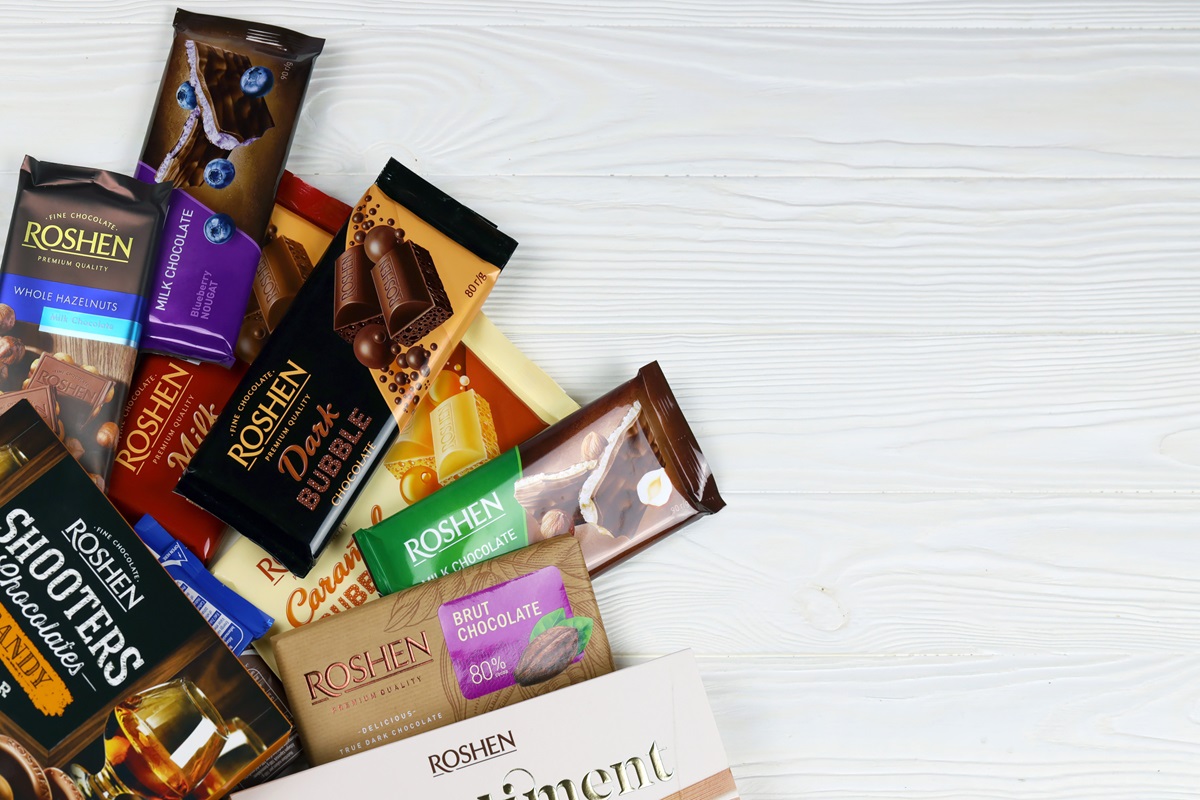
Always bring a few trusted snacks that you know are allergy-free and sealed, especially for long travel days or delays. These can save you from risky options at airports, roadside stops, or places with limited safe meals. Having something familiar on hand gives you both safety and peace of mind.
Book Accommodations with Kitchens

Choosing a hotel or rental with a kitchenette lets you cook some meals and control every ingredient personally. Even simple breakfasts or dinners can reduce your risk and help you eat without stress during your stay. It adds flexibility and allows you to enjoy local produce while staying in control.
Related Post: 15 Mother’s Day Dishes Moms Will Brag About All Year
Speak with the Chef When Dining Out
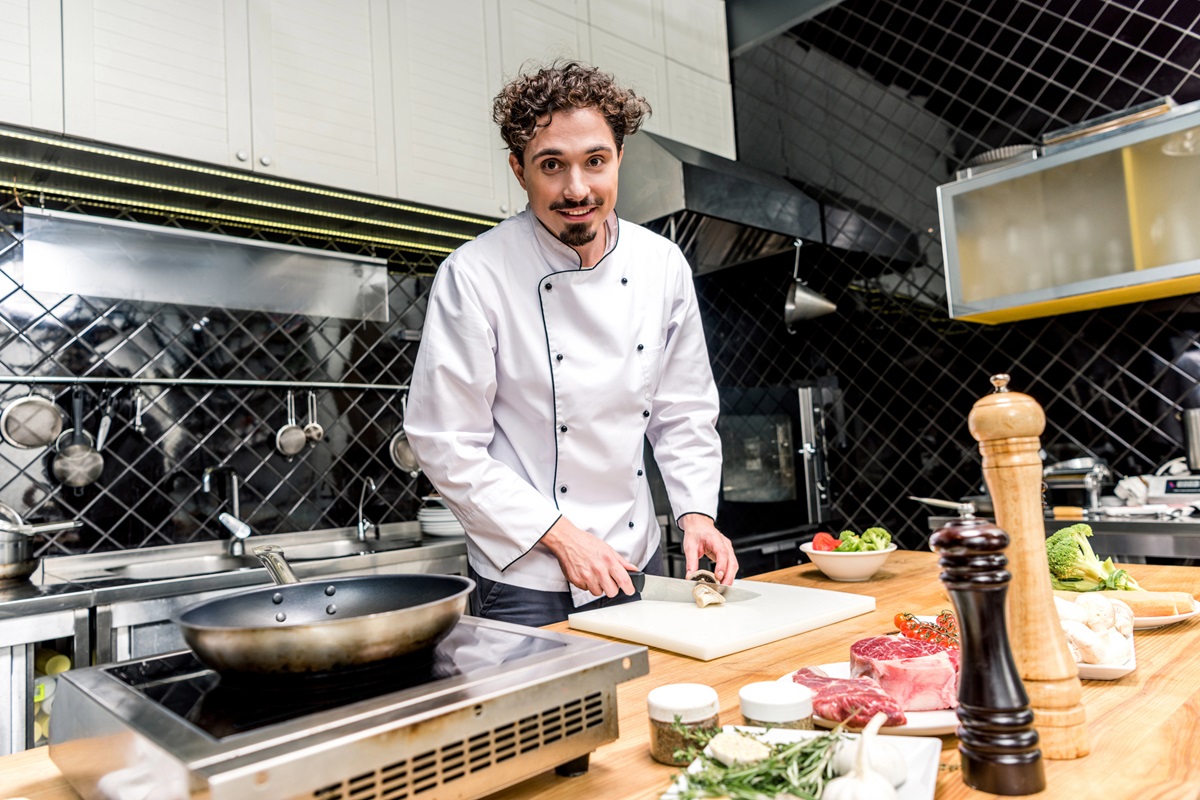
Always ask if you can speak directly with the chef or kitchen staff before ordering a meal at any restaurant. Servers may not know exactly what is in each dish, but chefs can confirm ingredients and preparation. This step can prevent cross-contact and ensure you are truly safe with your choice.
Related Post: 15 Classic Dishes That Belong On Terry Pratchett’s Party Table
Avoid Buffets and Street Food
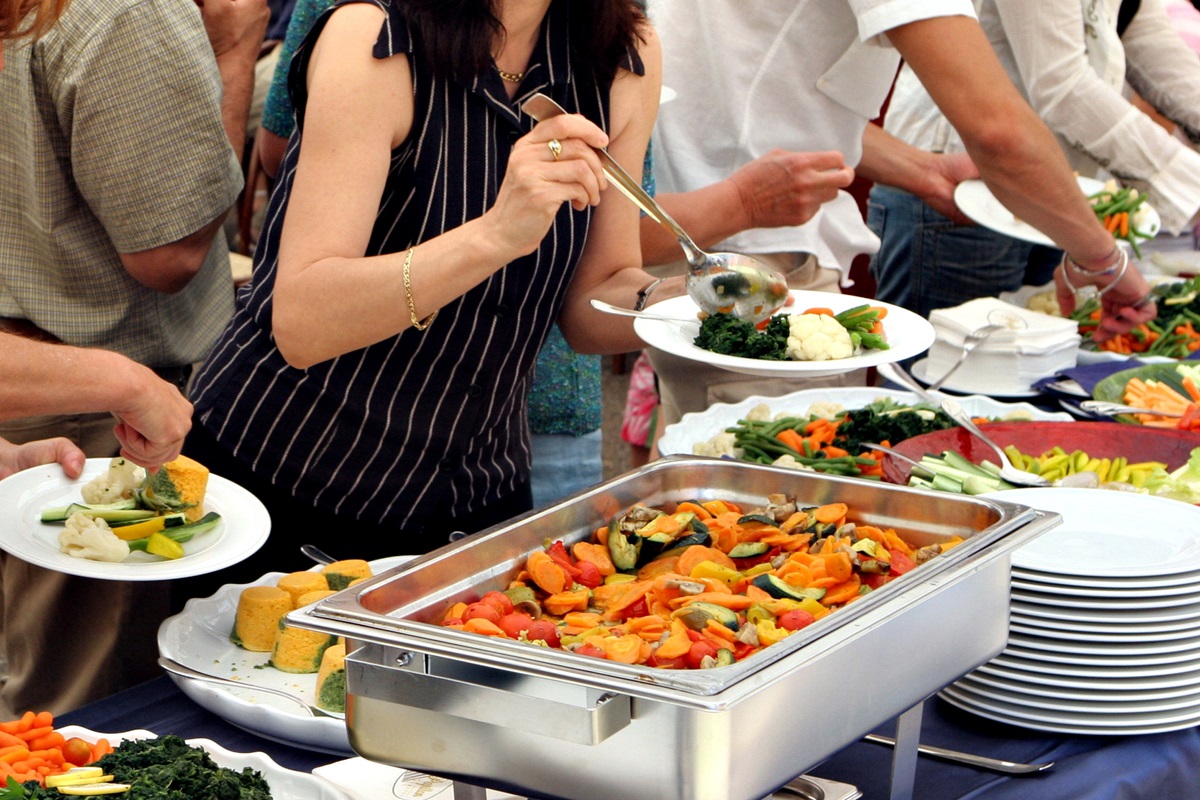
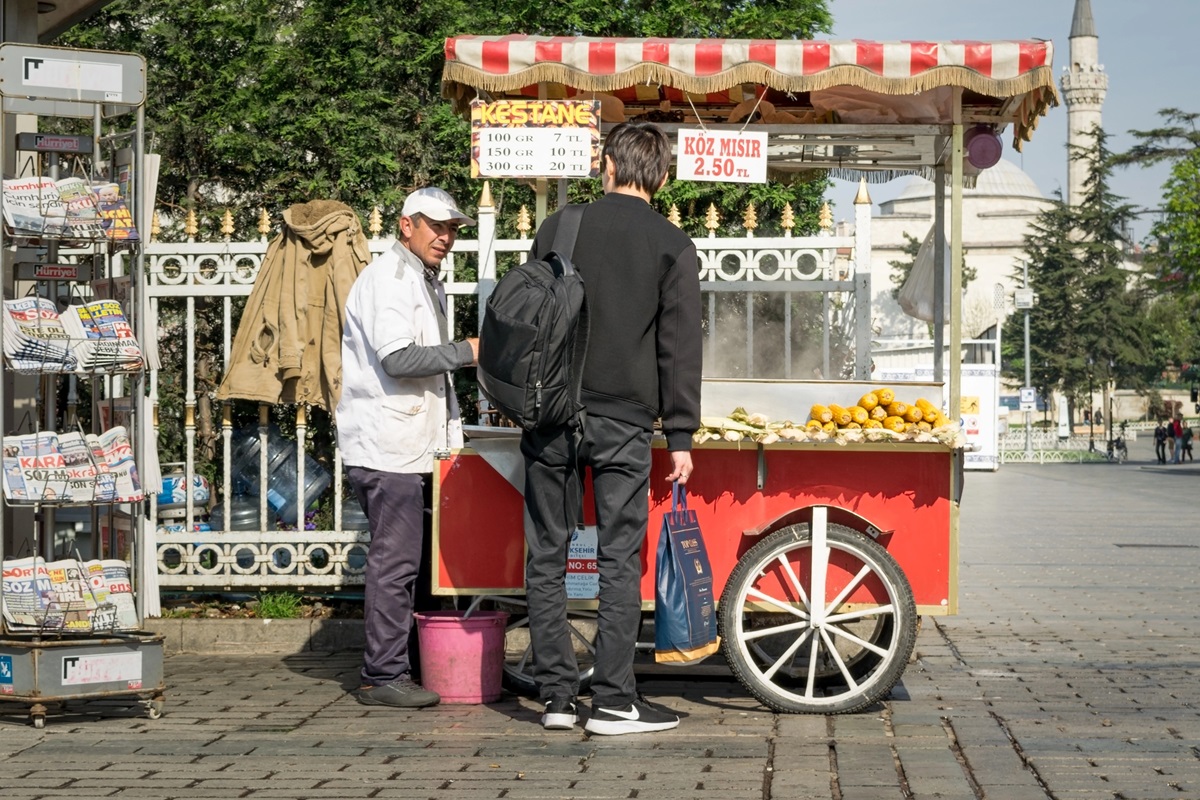
While tempting and exciting buffets and vendors, stalls often have unclear ingredients and a high risk for cross contact. Sauces, utensils, and surfaces are usually shared, making it hard to keep allergens out of your meal completely. If you cannot verify the food, it is better to skip than to risk it.
Related Post: 10 Secrets To Making Old School Dinner Rolls So Soft They Practically Float
Travel with a Medical Kit Always

Keep your medication, including antihistamines and auto-injectors, easily accessible in a small pouch that you carry. Make sure travel companions know where it is and how to use it in case of an allergic emergency abroad. Your safety kit is your lifeline and should go with you everywhere every day.
Related Post: 10 Meat Freezing Hacks Butchers Wish You Already Knew
Alert Airlines and Request Special Meals
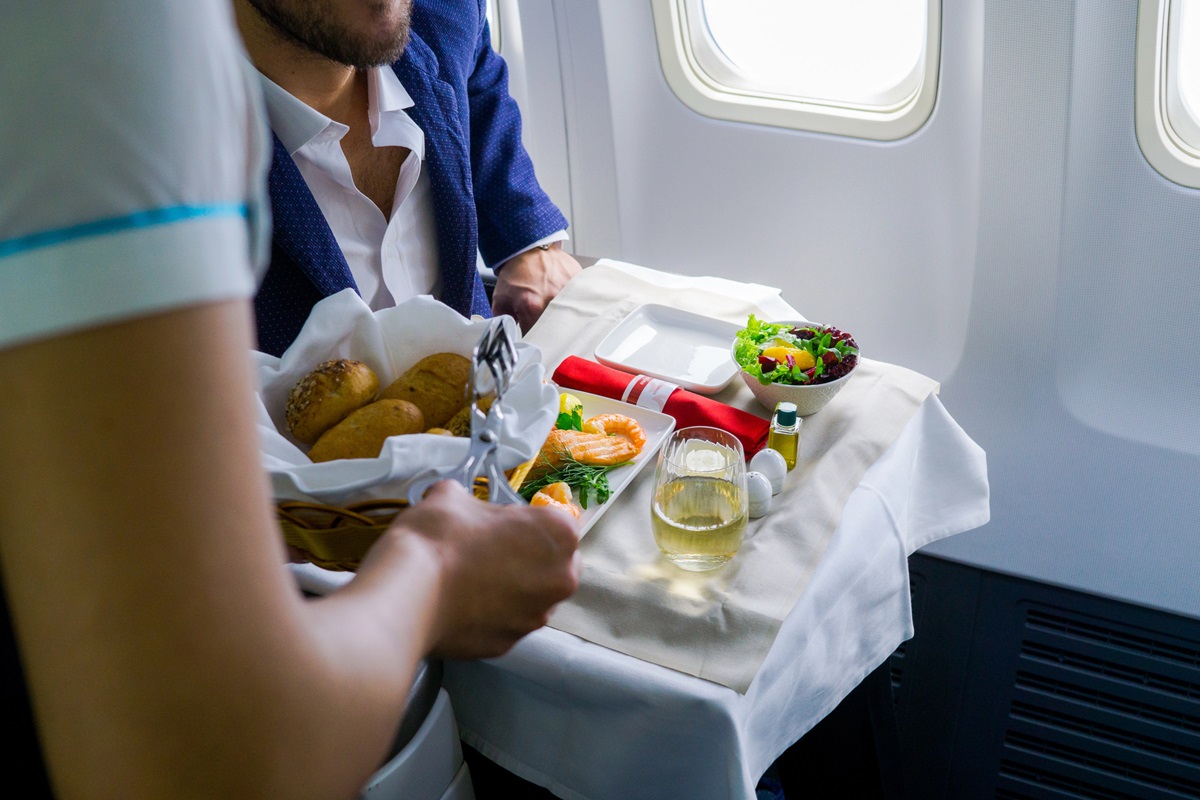
Contact your airline in advance to inform them of your allergy and request a meal that avoids your trigger foods. Ask if they can remove nearby allergenic ingredients and clean the prep area before your food is handled. Never assume that in-flight meals are automatically safe unless confirmed.
Related Post: 10 Irresistible Waffles That Make Frozen Breakfast Feel Like a Mistake
Double Check Labels on Everything

International brands may change ingredients based on local suppliers, so reread the packaging even if it looks familiar. Allergens are not always listed in the same way abroad, and some labels may lack full information by law. Take the time to examine labels carefully before eating anything from a store.
Related Post: 13 Desserts You Can Totally Eat For Breakfast Without Regret
Use Allergy Apps with Restaurant Reviews

Download apps that list allergy-friendly restaurants and allow you to filter by your specific needs in each city. Reviews by others with allergies can help you find safe and welcoming spots more easily and quickly. These tools reduce stress and help you focus on enjoying your time instead of worrying.
Related Post: 11 Secrets Italians Know About Perfect Pasta Alle Vongole
Teach Travel Companions what to Do

Let friends or family know how to help if you react, and practice with them before your trip begins. Show them where your medicine is and walk through your signs and steps so they feel ready to act. Support from others makes travel safer and gives you confidence wherever you go.
Related Post: 12 Sweet And Savory Bacon Bites That Guests Beg For
Trust Your Instincts and Speak Up
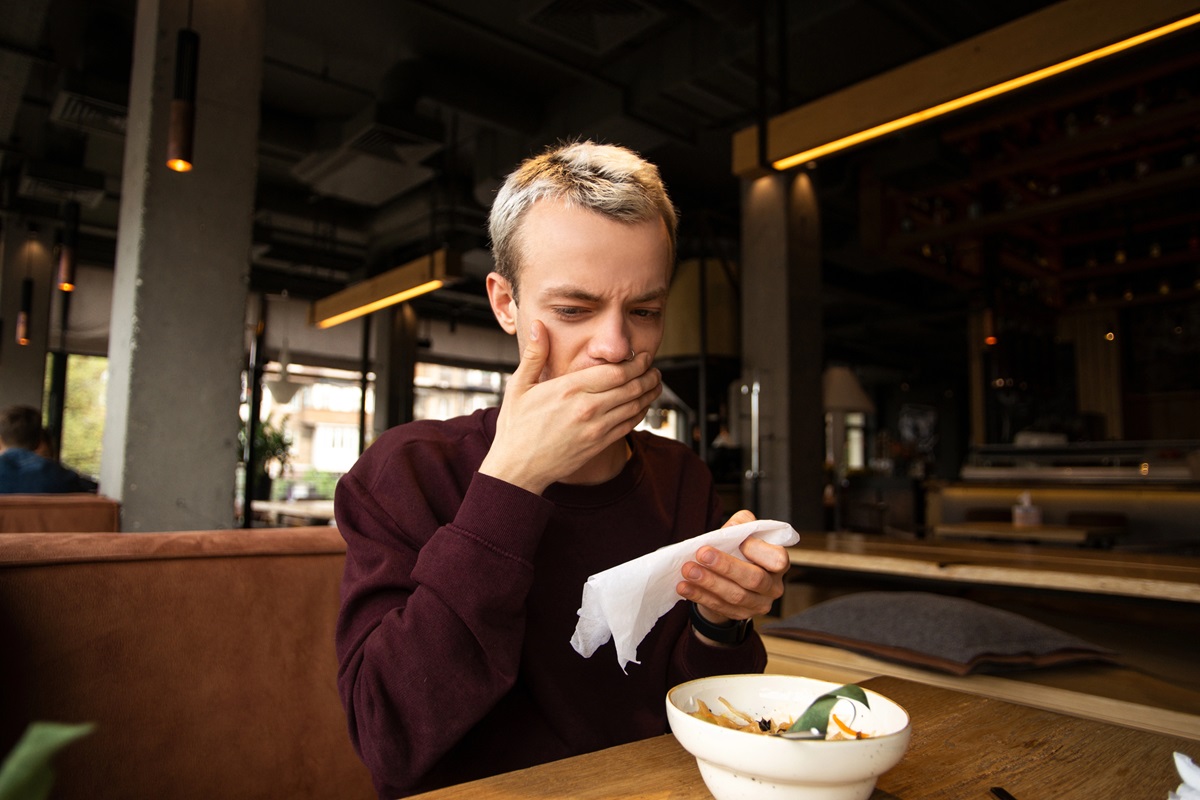
If something feels off or unsafe, do not hesitate to ask questions or even walk away from a dish or location. It is better to miss one meal than to risk an allergic reaction that could ruin your trip or send you home. Your health comes first, and being bold can protect you in the moments that matter.
Related Post: 15 Air Fryer Wings So Addictive You’ll Make Them Every Weekend
Traveling with food allergies takes planning, patience, and courage, but it should never stop you from exploring the world. With the right tools and mindset, you can navigate new places safely and still enjoy every flavor within reach. Stay alert, trust yourself, and savor the journey without fear.
Disclaimer: This list is solely the author’s opinion based on research and publicly available information.
15 Foods That Mean One Thing Here and Something Totally Different Abroad

Ever ordered something abroad and ended up with a totally unexpected dish? Food names can be surprisingly deceptive, depending on where you are in the world. What’s a “biscuit” in the U.S. is a “cookie” in the U.K., and asking for “lemonade” in England might leave you with something closer to Sprite. Whether you’re traveling or just curious, these food translations might just save you from a hilarious mix-up or help you embrace a delicious surprise!
Read it here: 15 Foods That Mean One Thing Here and Something Totally Different Abroad
12 Foods Gen X Loves That Gen Z Refuses to Eat

Let’s bridge the generation gap with a look at foods that Gen X swears by but Gen Z won’t touch. As generations evolve, so do their tastes, and Gen X and Gen Z couldn’t be more different when it comes to food preferences. While Gen X grew up enjoying some classic comfort foods, Gen Z often turns up their noses at these nostalgic dishes. Get ready to explore the culinary divide and discover which beloved foods have become a thing of the past for today’s foodies.
Read it here: 12 Foods Gen X Loves That Gen Z Refuses to Eat
12 Resort Buffets That Are Worth the Trip Alone

Indulging in a lavish resort buffet is an experience that can turn any vacation into a culinary adventure. With an array of delectable dishes from around the world, these buffets offer a feast for the senses that makes the trip worthwhile on its own. From fresh seafood and gourmet entrees to decadent desserts and live cooking stations, resort buffets provide an unforgettable dining experience. Let’s explore some of the most renowned resort buffets that are truly worth the journey.
Read it here: 12 Resort Buffets That Are Worth the Trip Alone
You’ll love these related posts:
- 14 Irresistible Sunday Dishes People Secretly Make Again On Monday
- 13 Vegan Meals That Will Make You Forget All About Junk Food
- 12 Flavor Packed Mexican Meals You’ll Regret Not Trying Sooner
- 11 Easter Appetizers That Will Completely Replace Deviled Eggs At Your Celebration
- 12 Tangy Greek Dressings That Are Healthier Than Store Brands