
Learning how to boil eggs may sound simple, but getting the perfect texture can be tricky. Sometimes they’re too soft, other times overcooked with gray yolks. It’s frustrating when you want consistent results. Don’t worry—achieving that ideal soft, medium, or hard boil is easier than you think. With the right steps, you’ll master perfect eggs every single time.
Choose Fresh Yet Aged Eggs

When learning how to boil eggs, start with eggs that are about 7–10 days old. Very fresh eggs can be difficult to peel, while slightly aged ones separate more easily from the shell. Check expiration dates before use and store eggs in the fridge until needed. Slightly aged eggs yield smoother whites, cleaner shells, and perfect peeling results.
Bring Eggs to Room Temperature

Before starting how to boil eggs, let the eggs rest at room temperature for 10–15 minutes. Placing cold eggs directly into hot water increases the risk of cracking. When eggs warm up slightly, they cook evenly, creating tender whites and creamy yolks. This simple pre-step ensures consistent texture, better control, and fewer cracked shells while boiling.
Use the Right Pot Size

A crucial part of how to boil eggs is using the correct pot. Choose a pot large enough for eggs to sit in a single layer without stacking. Overcrowding causes uneven cooking and cracking. Ensure at least an inch of water covers the eggs fully. The right pot ensures even heat distribution and consistent cooking for all eggs.
Add Cold Water First

When following how to boil eggs, always begin with cold water. Place the eggs in the pot first, then cover them with cold water by at least one inch. This gradual heating helps prevent cracking and promotes even cooking throughout. Starting cold ensures a gentle temperature transition, resulting in smooth whites and well-formed yolks every time.
Related Post: 18 Warm Olives Appetizers That Surprise Guests
Add a Pinch of Salt or Vinegar

To improve how to boil eggs, add a pinch of salt or a teaspoon of vinegar to the water. Salt helps seal small cracks, while vinegar makes peeling easier by softening the shell’s bond. These small additions ensure cleaner cooking, prevent leaks, and make shell removal effortless once the eggs have fully cooled down.
Related Post: 15 Fall Cocktail Recipes To Sip All Season
Heat Gently Until Boiling

A key secret in how to boil eggs is using gentle heat. Bring the water to a slow boil over medium heat instead of blasting it high. Vigorous boiling can crack shells and toughen whites. Slow heating maintains control, ensuring eggs cook evenly from edge to center without rubbery textures or overcooked gray-green yolks.
Related Post: 16 High School Lunch Ideas That Won’t Get Traded
Cover and Remove from Heat

Once water reaches a rolling boil, an important step in how to boil eggs is turning off the heat immediately. Cover the pot and let the eggs sit in the hot water. This residual heat gently cooks them to perfection. It prevents overcooking, keeps whites tender, and yields creamy yolks every single time.
Related Post: 15 Halloween Finger Foods Kids And Adults Devour
Time According to Doneness

When mastering how to boil eggs, timing determines texture. For soft-boiled eggs, let them sit for 6 minutes; medium, 9 minutes; hard-boiled, 12 minutes. Always set a timer for accuracy. Even one minute affects the yolk’s consistency, so be precise. Consistent timing gives you reliable results and the perfect level of doneness every time.
Related Post: 18 School Lunch Ideas for Teens
Prepare an Ice Bath

A critical step in how to boil eggs is stopping the cooking process. As soon as the timer ends, transfer eggs into an ice-water bowl. The shock halts cooking, firms whites, and prevents yolks from turning gray. It also loosens shells for easier peeling. Let them chill completely before handling for flawless results and smooth finishes.
Related Post: 20 Halloween Snacks For Party Guests Love
Let Eggs Cool Completely

Patience matters in how to boil eggs. After boiling, leave eggs in the ice bath for at least 10 minutes. Cooling fully helps separate the inner membrane from the shell, making peeling effortless. It also allows yolks to firm up evenly. Rushing this step risks torn whites and uneven texture when slicing or serving.
Related Post: 19 Fall Party Food Dishes
Crack and Roll for Easy Peeling

A foolproof peeling trick for how to boil eggs is tapping and rolling. Gently crack the egg on a countertop, then roll it under your palm to loosen the shell. Begin peeling from the wider end where there’s an air pocket. Running water over the egg can help lift stubborn shell bits cleanly and quickly.
Related Post: 15 Fall Drinks That Make Sweater Weather Even Better
Store Properly in the Fridge

Proper storage is key to mastering how to boil eggs. Place peeled or unpeeled boiled eggs in a covered container in the refrigerator. They stay fresh for up to seven days. Label containers with the date for tracking freshness. Avoid freezing boiled eggs—it damages texture, making whites rubbery and yolks dry or crumbly.
Related Post: 20 Kid Friendly Lunch Ideas That Make School Fun
Reheat Gently When Needed

When learning how to boil eggs for meal prep, reheating them properly matters. To warm, place unpeeled eggs in hot water for 2–3 minutes. Avoid microwaving peeled eggs—they can explode due to trapped steam. Gentle reheating preserves moisture, flavor, and the original texture of your perfectly boiled eggs without toughening or drying them out.
Related Post: 19 Kid Friendly Drinks For Every Occasion
Adjust for Altitude

Altitude affects how to boil eggs since water boils at lower temperatures at higher elevations. Extend your sitting time by one to two minutes to compensate. The lower boiling point means slower cooking, so the adjustment ensures even doneness. This small tweak guarantees your eggs come out perfect, no matter your location or elevation.
Related Post: 15 Kid Friendly Healthy Meals Even Picky Eaters Approve
Experiment to Find Your Perfect Texture

The final step in how to boil eggs is personalization. Some people love jammy, golden yolks, while others prefer fully firm centers. Experiment with timing, resting, and cooling to find your preferred result. Keep notes on time and taste so you can consistently recreate the texture you love most every time you boil eggs.
Related Post: 17 Fall Deserts Too Beautiful To Ignore
Perfecting how to boil eggs depends on control—timing, temperature, and patience. Start with room-temperature eggs, heat gradually, and cool quickly for clean peels. Whether you prefer soft, medium, or hard-boiled, consistent practice guarantees flawless results. With these reliable steps, you’ll never guess again—just enjoy smooth whites, creamy yolks, and effortless peeling every single time.
Disclaimer: This list is solely the author’s opinion based on research and publicly available information.
16 Freezer Meals For New Moms That Save Time
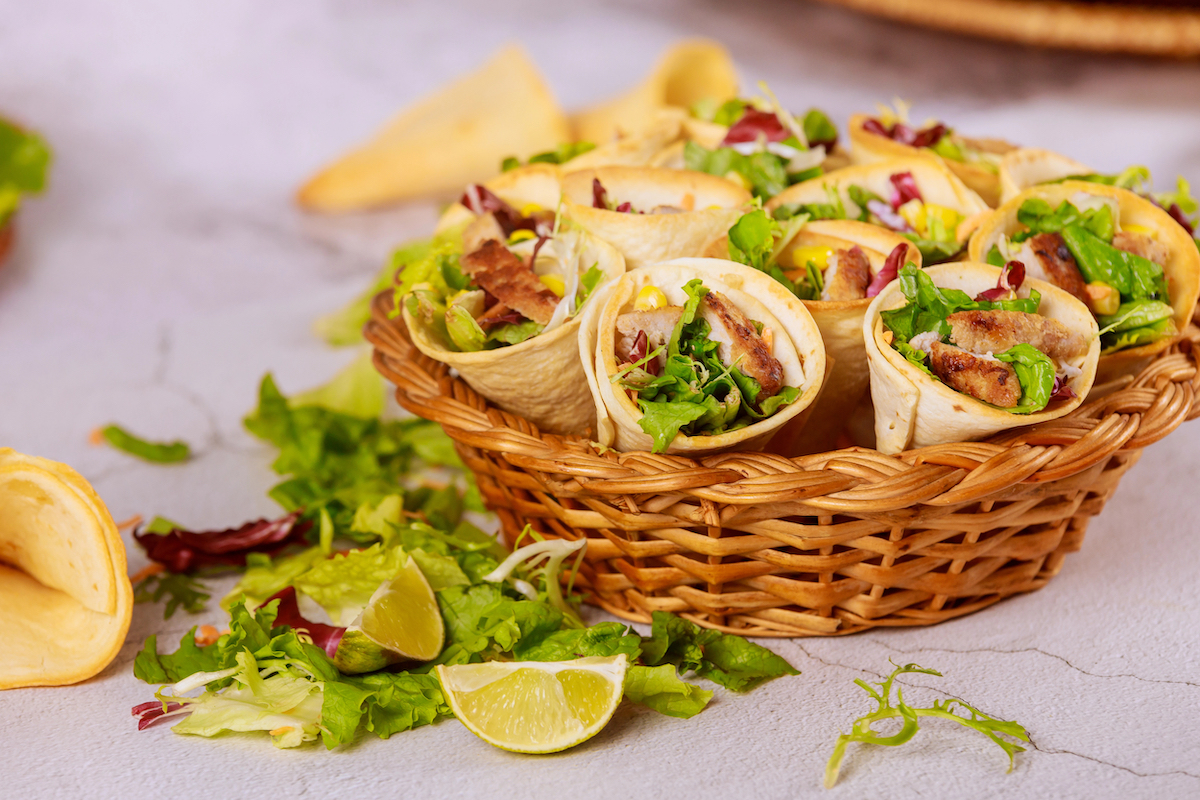
Welcoming a new baby is exciting, but let’s be honest—it’s also exhausting. Cooking from scratch may not always be possible, which is why freezer meals for new moms are an absolute lifesaver.
Read it here: 16 Freezer Meals For New Moms That Save Time
16 Fall Meal Ideas That Feel Instantly Cozy
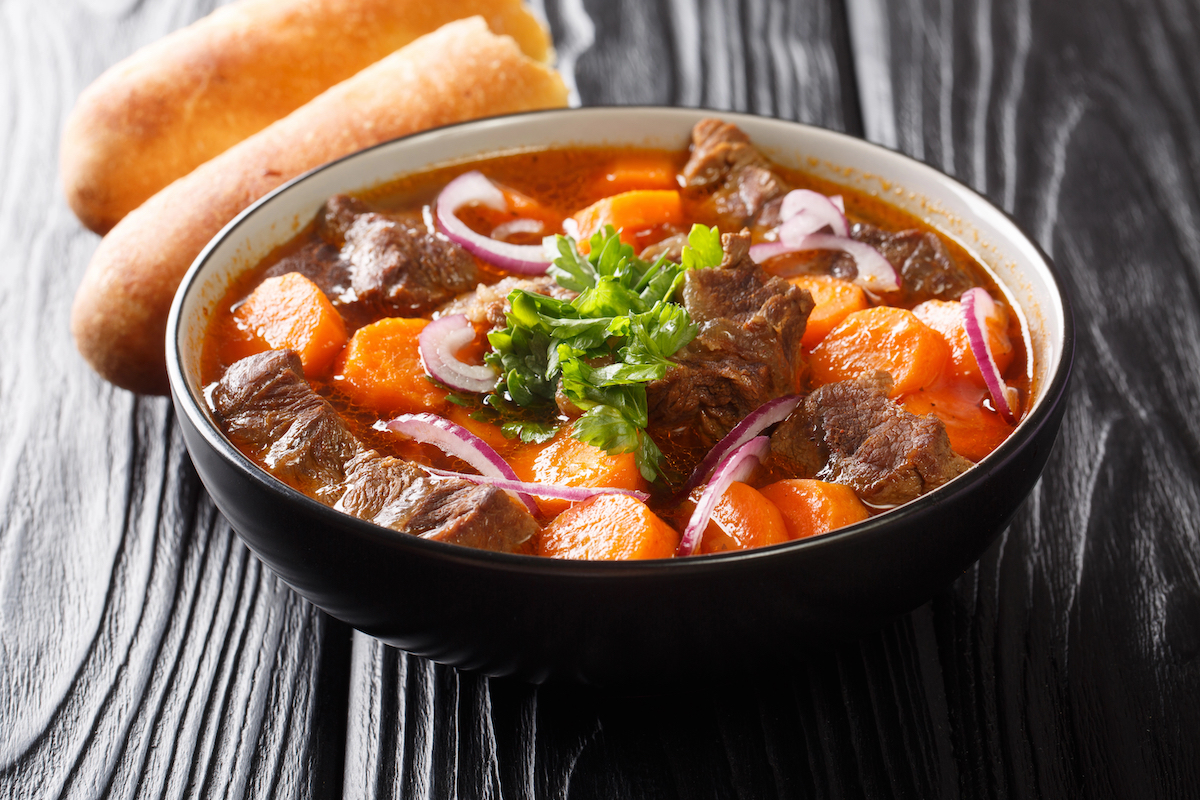
As the leaves change and crisp air settles in, it’s the perfect time to warm up with hearty dishes that embrace the season. Fall meal ideas bring comfort through cozy flavors like squash, apples, cranberries, and warming spices.
Read it here: 16 Fall Meal Ideas That Feel Instantly Cozy
15 Warm Winter Drinks To Beat The Chill
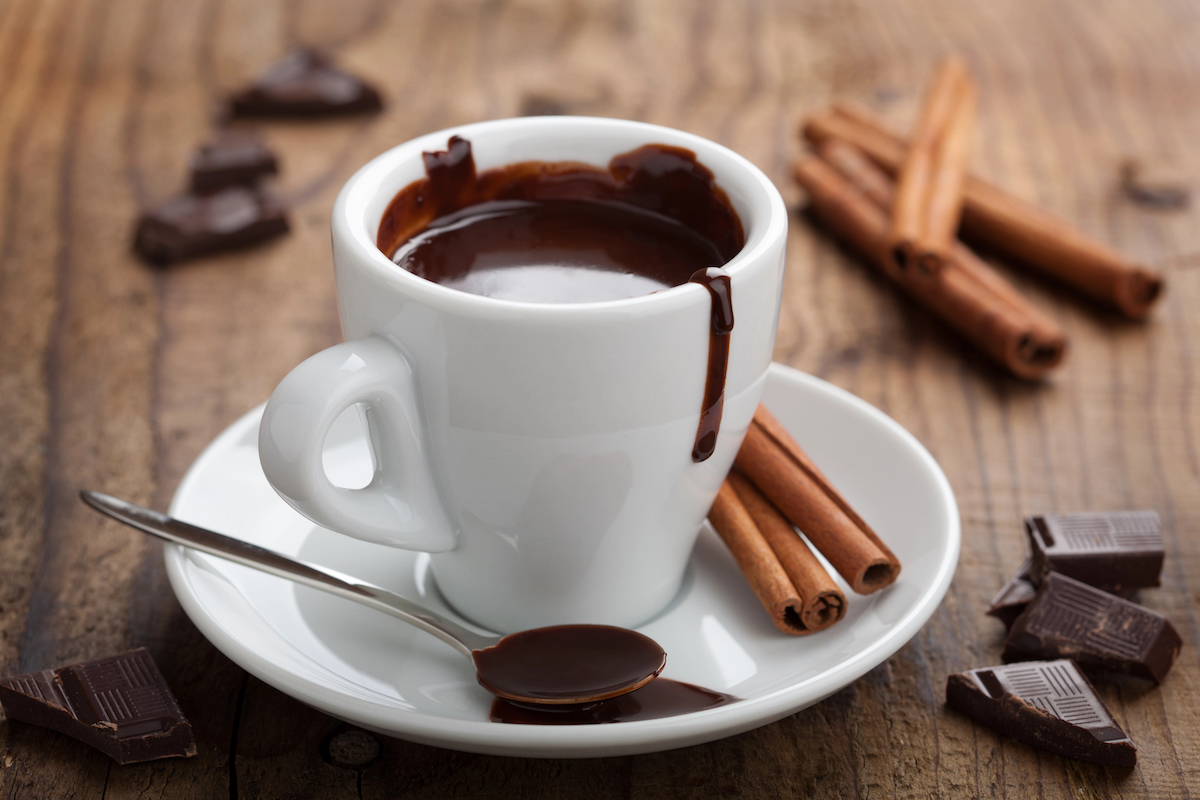
When the cold winds blow and the snowflakes swirl, there’s nothing more comforting than sipping warm winter drinks that wrap you in coziness. From traditional spiced teas to creamy hot chocolates, these beverages are designed
Read it here: 15 Warm Winter Drinks To Beat The Chill